

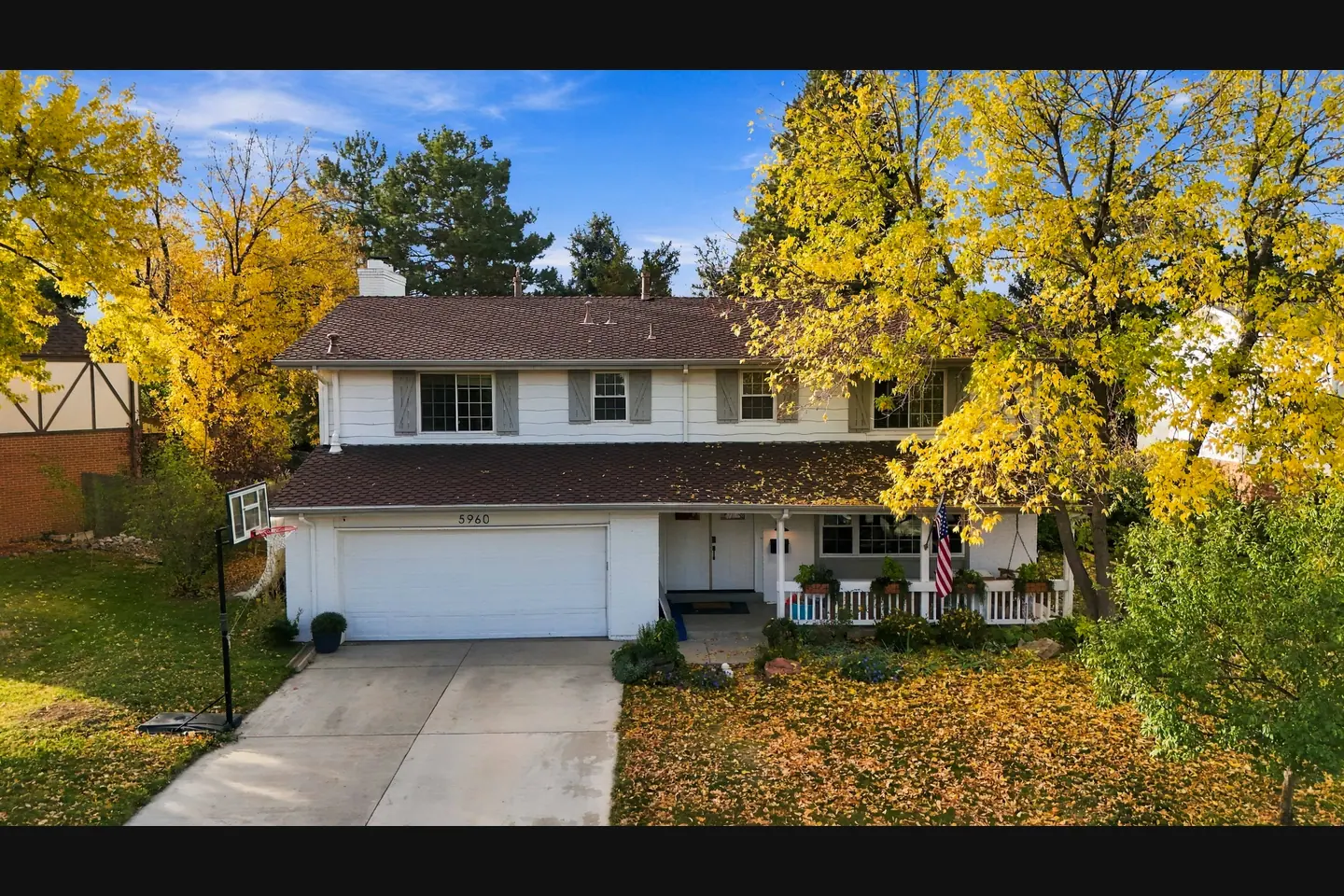
Part of the Denver construction and home improvement news series.
I do not build on a zoning rumor. If the city changes what your lot allows, good, we will look at it then. Until it passes, we plan with the rules on the books.Dan T. · Owner, BH Builders
Denver Metro Remodeling Roundup: November 1 to 15, 2026. Sources checked November 15.
 Before paying for drawings or putting a construction date on the calendar, I want to know what could change the plan. This month, Denver introduced a tool that checks permit applications for missing information. Winter heating assistance opened for another season. And two city proposals deserve attention from homeowners thinking about preserving an older house or adding another home to their property.
Some of these changes are ready to use. Others still need a vote. We have separated them below so you can decide what belongs on this week's to-do list and what belongs in your planning notes.
Denver's new permit tool catches missing information before submission
 A permit application can lose time before anyone begins reviewing the design. Missing documents and incomplete information have to be resolved first.
On November 5, Denver launched its StartSmart: Application Intake Assistant, an online pre-check designed to catch those problems earlier. The city says it provides immediate feedback on application materials before they enter the official review process. City employees retain responsibility for intake and permit decisions. Read Denver's launch announcement.
“This tool has the ability to flag missing information for our customers before they submit,” said Denver Permitting Office Director Jill Jennings Golich in the announcement.
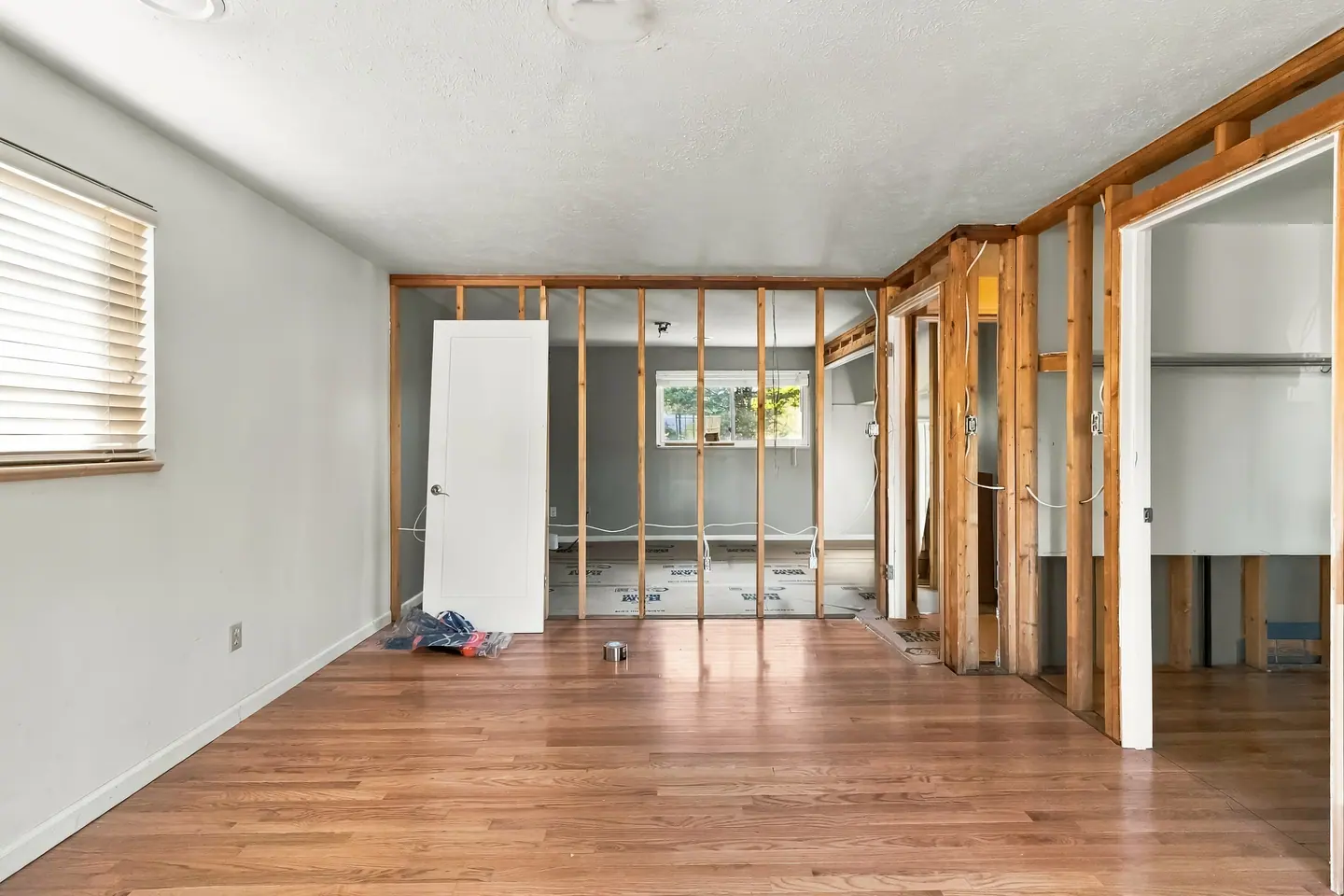
 For homeowners, the useful details are in the instructions. Denver currently lists residential interior remodels and qualifying building-permit applications, including ADUs, among the supported project types. The tool is free and voluntary during its evaluation period. It does not guarantee acceptance or approval. Check the city's eligible applications and instructions.
We would put the person who knows the drawings best in charge of the pre-check. That person needs to understand a flagged item, decide whether the documents need changing and keep the submission consistent.
Before your application goes in, ask:
- Who is responsible for checking the complete submission?
- Which version of the drawings will be submitted?
- Who will answer city comments?
- Does the construction schedule allow time for corrections?
 A better submission is worth pursuing. A promised start date still needs to account for the actual permit process. Our Denver metro permit guide can help organize the jurisdiction questions before your next meeting.
Winter heating assistance is open, with new seasonal income limits
If heating bills are putting pressure on the household budget, there is a practical step available now.
 Colorado's Low-income Energy Assistance Program, or LEAP, opened its 2026 to 2027 season on November 1. Applications are accepted through April 30, 2027. Arapahoe County explains that the program helps eligible households with part of their heating costs and may also help repair or replace a primary heating system. It does not cover the entire heating bill. Read Arapahoe County's announcement.
| Household size | Maximum gross monthly income |
|---|---|
| One person | $3,774 |
| Two people | $4,936 |
| Three people | $6,097 |
| Four people | $7,258 |
Douglas County publishes the figures above for this season. Income is one part of eligibility. Review the application requirements for your household before assuming approval. See Douglas County's LEAP information and application links.
We would gather the income documents and current heating bill before starting the application. If heating is included in rent, Arapahoe County directs applicants to prepare their latest rent receipt. The county also lists 1-866-432-8435 for LEAP questions.
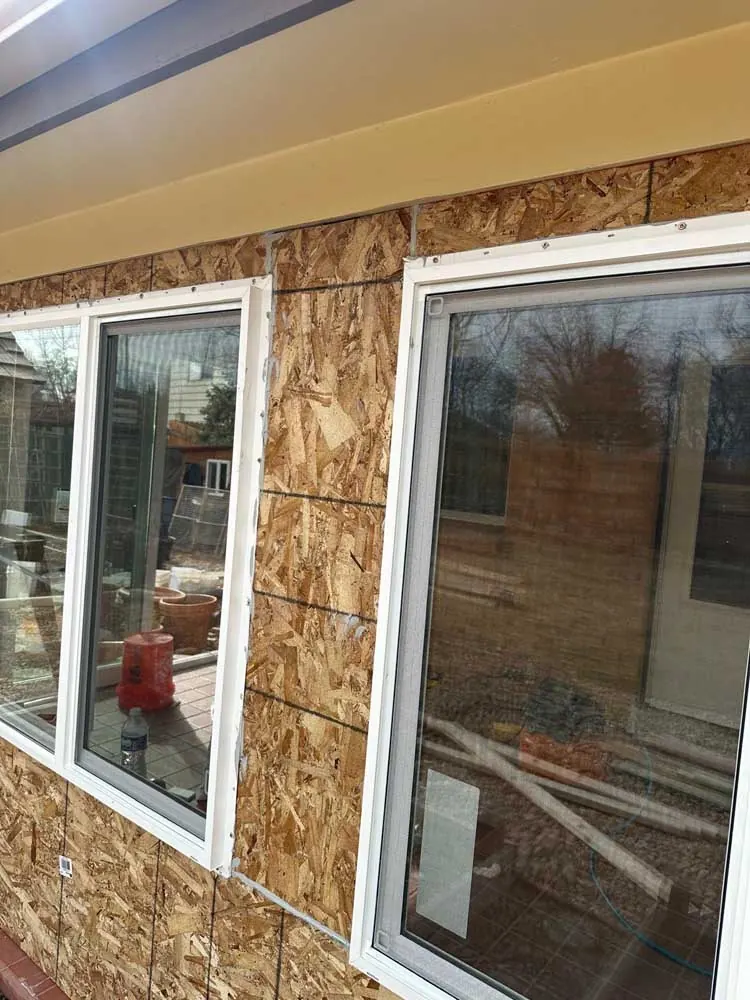
For a homeowner considering improvements, start by describing the problem clearly. Is the equipment failing? Is the house difficult to keep comfortable? Or is the immediate concern paying the bill? That explanation helps the program representative direct you to the appropriate assistance.
 Keep any proposed work and funding approval together in writing before making a financial commitment. A conversation about paying the heating bill may lead to different next steps from a privately planned window or exterior renovation.
Denver's housing proposal puts keeping the existing house into the discussion
For a homeowner who likes the house but needs more housing on the property, Denver's November Unlocking Housing Choices materials are worth reading.
 The proposal includes a retention bonus that would allow additional primary homes when an existing home is retained. The city's November 2 presentation illustrates configurations with another home alongside the original house or cottages behind it. These are proposed development options, not permission to build a particular arrangement on your lot. Review the November presentation.
The same presentation proposes different maximum numbers of primary homes by neighborhood context: two in suburban areas and four in urban and urban-edge areas. Additional primary homes would depend on the proposal's retention or affordability provisions. Those numbers should not be read as a blanket allowance for every property.
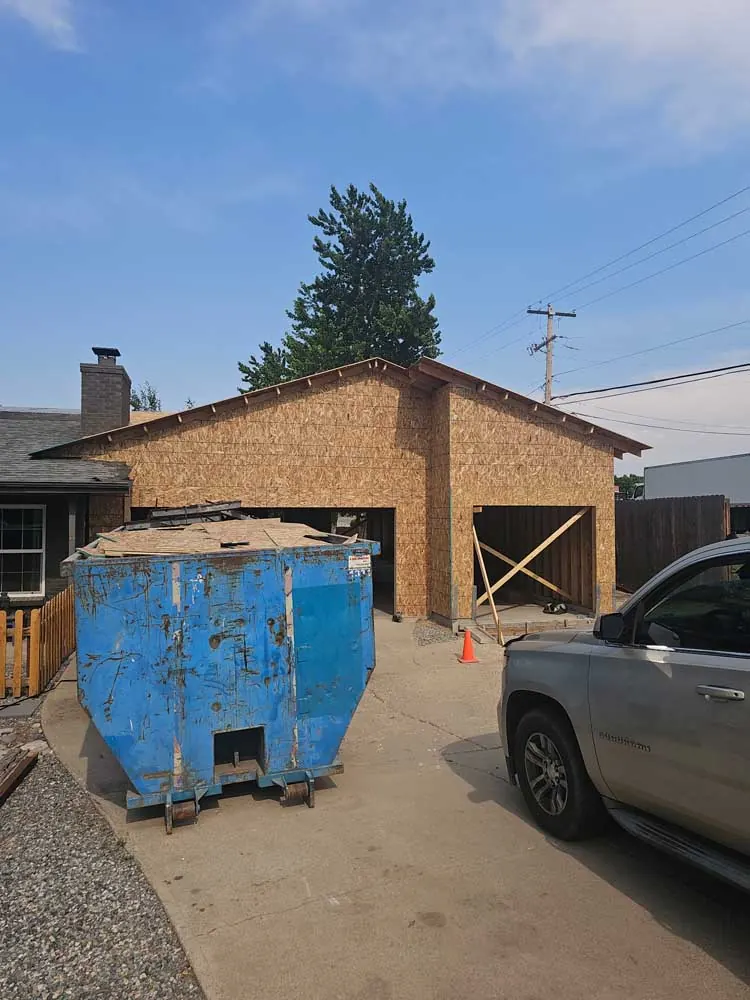
We see a useful planning question here: what would you keep if you could add the space you need around it?
 That question can lead to a different conversation from starting with demolition. Perhaps the existing house already has the rooms, street presence or layout you value. Perhaps its condition makes retention more complicated. Either way, the property deserves an assessment before a concept becomes a construction budget.
For now, ask the city to identify two things separately: what your address allows under current rules, and what the proposal could change. Our ADU planning page is a starting point for discussing the physical project; the city determines the approval path.
Two November housing meetings remain on the calendar
 As of November 15, Denver lists the following public meetings. The project page also provides a recording of the November 4 virtual meeting and a way to submit comments. Confirm meeting details on Denver's project page.
| Date | Time | Location |
|---|---|---|
| Wednesday, November 18 | 5:30 to 7:30 p.m. | Barnum Recreation Center, 360 Hooker Street |
| Thursday, November 19 | 5:30 to 7:30 p.m. | Harvard Gulch Recreation Center, 550 East Iliff Avenue |
Bring an address and a specific question. “How would this apply to retaining my house and adding another unit?” gives the discussion a useful starting point.
Historic-home tax-credit reviews could move to city staff
There is also a narrower proposal for homeowners considering historic rehabilitation.
 Denver's Community Planning and Housing Committee approved Bill 26-1627 for filing on November 3. The measure would change the reviewing entity for historic-preservation tax-credit applications to the Department of Community Planning and Development. As of this edition, the official record lists it as agenda-ready for November 16, with no final action recorded. Follow the official bill record.
The immediate takeaway is modest: a proposed administrative change is moving forward. It is not evidence that a particular renovation qualifies for a credit or that your application has been approved.
 For an older-house project, we would ask the preservation staff about eligibility and application timing while the scope is still being developed. Bring photographs, a description of the proposed work and any information you have about the property's historic status.
Then keep preservation guidance with the drawings and estimate. If a window, porch detail or original material needs special treatment, everyone pricing the job should be working from the same information.
What to bring to your next project meeting
The most useful preparation is a short record of what you know and what still needs an answer. Photographs are especially useful when the work involves existing walls, doorways or several rooms that need to function together.
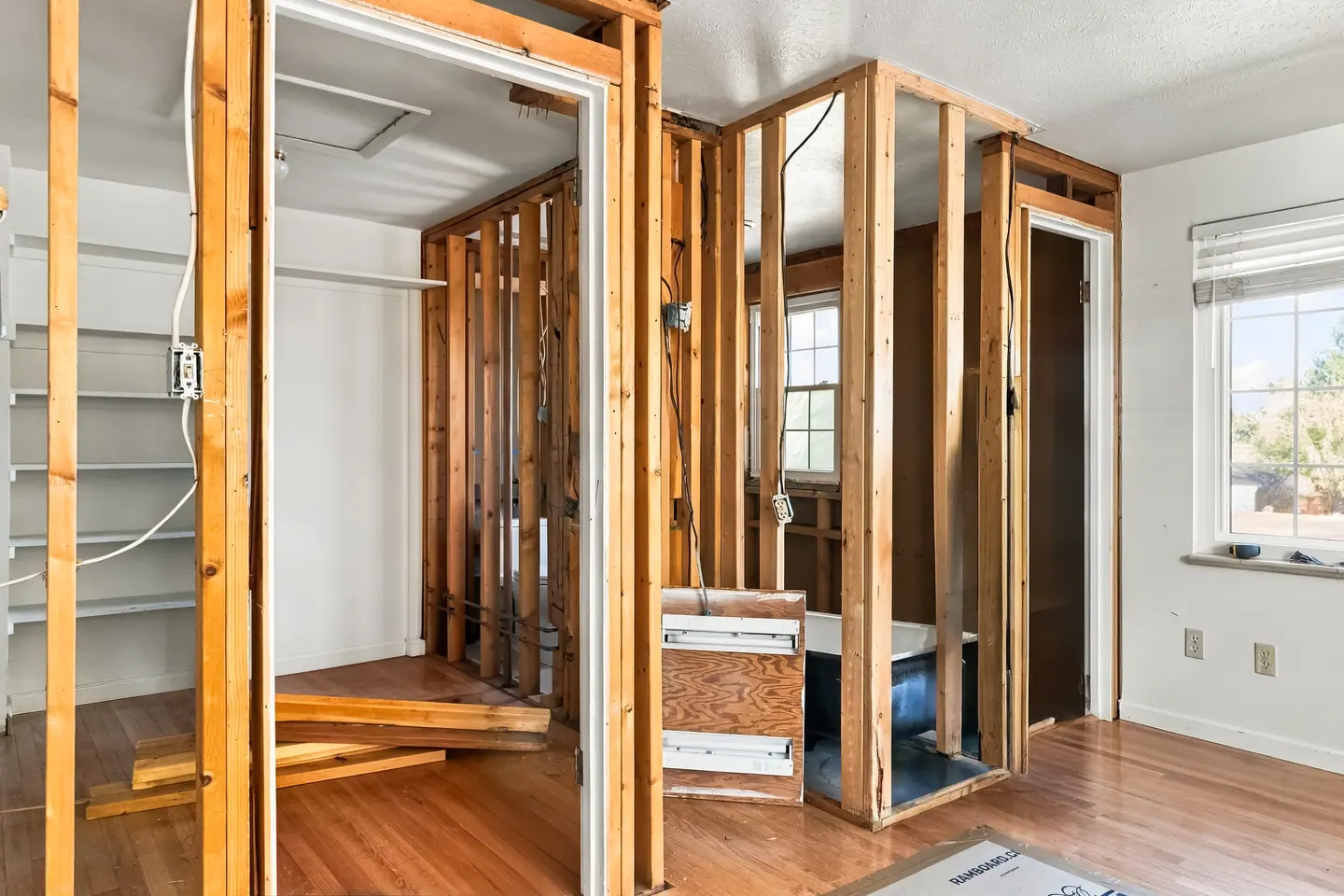
We suggest bringing:
- The address and your priorities. Explain what needs to work better in the house.
- Photographs of existing conditions. Include the problem areas, not just inspiration images.
- Any drawings or estimates already prepared. Keep their dates and revisions visible.
- Written program or city guidance. Include eligibility information, application instructions and responses tied to your property.
- A list of unresolved decisions. Assign someone to get each answer before it becomes an assumption in the price.
 Our November 1 home-improvement roundup covers the earlier rebate, repair-assistance and local ADU stories. This edition adds the developments above so you can keep your planning notes current without treating every proposal as a settled rule.
I would rather see a few clear questions on the table now than an expensive surprise after work begins. If you are planning a Denver metro remodel, addition or ADU, bring us your priorities and the information you have gathered. We can work through the scope and identify what needs a closer look.
Call BH Builders at (720) 980-3913 for a free, no-pressure estimate, or schedule a free meeting.
Keep reading from the BH Builders blog
If two bids describe two different rooms, their totals are not ready to compare. First make the scope match.Dan T. · Owner, BH Builders
Planning a project of your own?
Free, no-pressure estimates across the Denver metro, and four instant calculators.
📞 Call (720) 980-3913 Schedule a Free Meeting