
Decks & outdoor living start at $25,000 — get your personalized number below
Design Your Deck, Price It Instantly
Size, height, material, railing and the features that make it an outdoor room — built for Colorado sun, hail and freeze-thaw. Takes about two minutes — your range unlocks at the end.
Rough planning estimate based on typical Denver-metro pricing — not a quote. Your exact price comes from a free, no-obligation on-site estimate. See how we price →
Decks & exterior work in the Denver metro
 Colorado’s climate is hard on exteriors — intense high-altitude UV, sudden hail, and constant freeze-thaw cycles that work at every fastener and footing. Building a deck that is still solid a decade later takes more than lumber; it takes proper footings below frost depth, correct ledger flashing so water never reaches the house, and fasteners rated for the job. BH Builders designs and builds decks, siding and outdoor living spaces across the Denver metro to stand up to all of it.
As a licensed, insured general contractor in Greenwood Village, we handle design, permitting, footings, framing, decking and railings — with one point of contact and a fixed written scope.
What we build
- Custom decks — single or multi-level, composite or wood, with built-in seating and lighting.
- Covered decks & pergolas — shade and shelter for Colorado sun and afternoon storms.
- Railings & stairs — code-compliant guardrails in metal, cable, wood or glass.
- Siding — fiber-cement, engineered wood and other durable, hail-resistant options.
- Outdoor living — patios, outdoor kitchens and the transitions that tie them to the house.
Decking materials compared
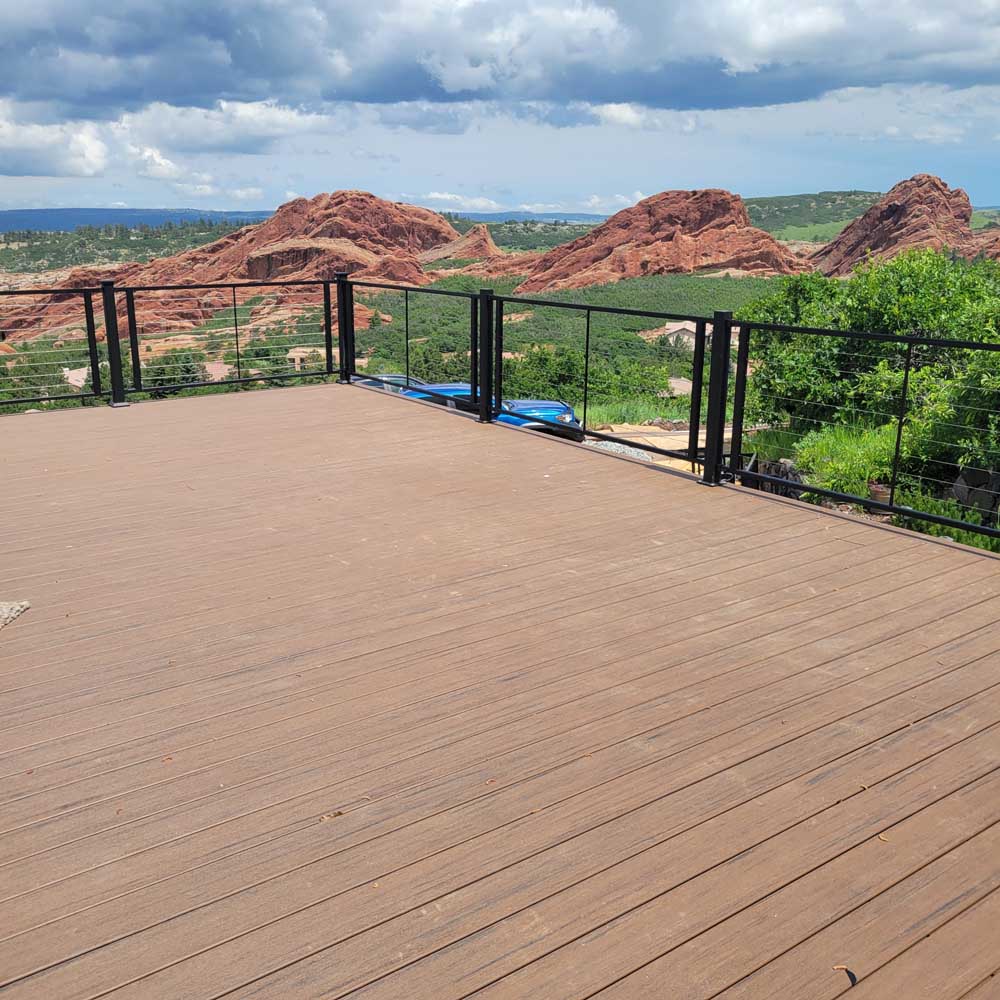
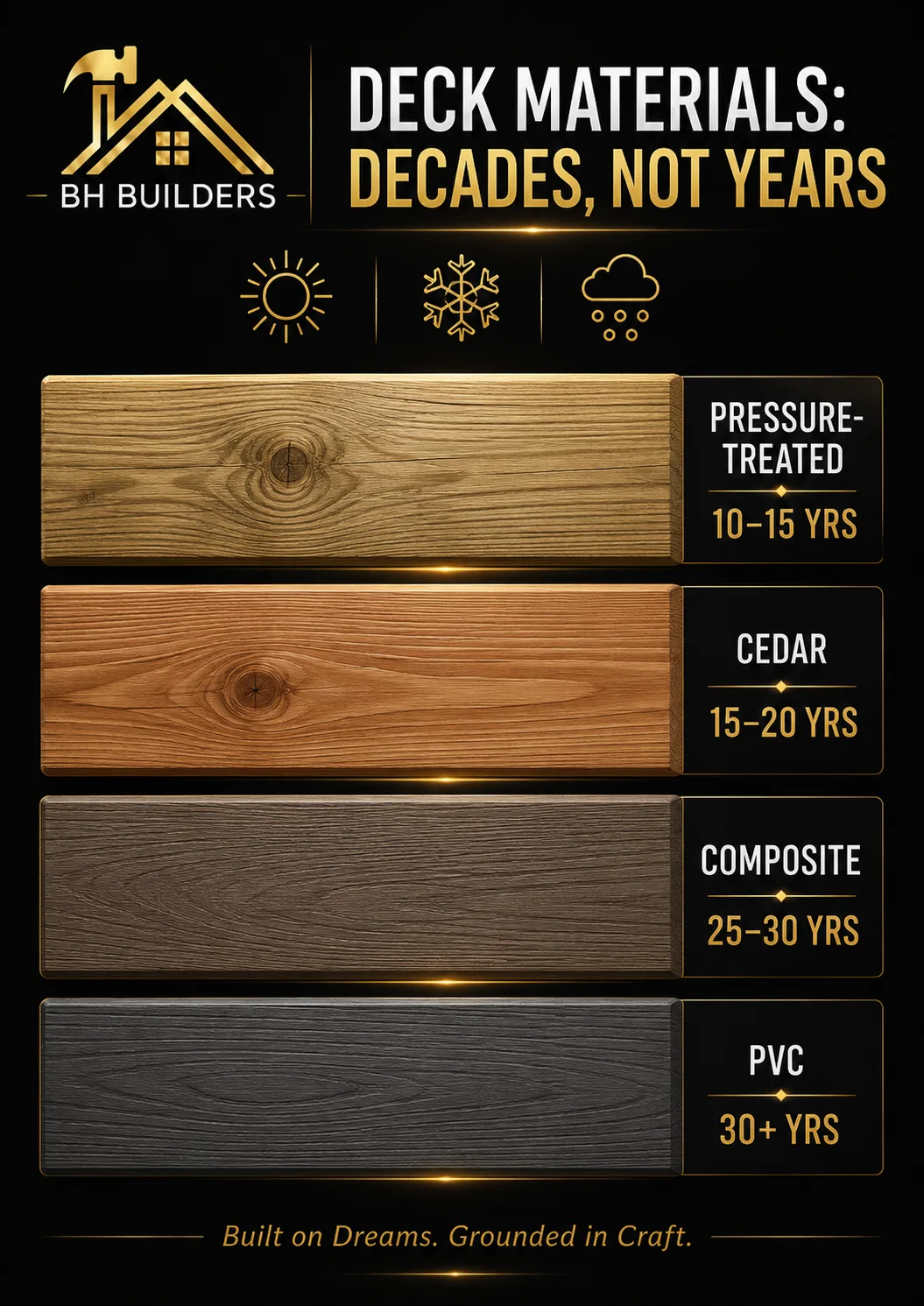
 The right material depends on budget, maintenance appetite and look. A quick comparison:
| Material | Maintenance | Lifespan | Relative cost |
|---|---|---|---|
| Pressure-treated wood | High — seal/stain every 1–2 yrs | 10–15 yrs | $ |
| Cedar / redwood | Medium–high | 15–20 yrs | $$ |
| Composite | Low — occasional wash | 25–30 yrs | $$$ |
| PVC / capped composite | Very low | 30+ yrs | $$$$ |
Features & design ideas
A deck is an outdoor room, and the features you build in are what make it get used. Popular additions on our Denver-metro projects:
- Built-in seating & planters — benches and boxes that free up floor space and soften the edges.
- Deck lighting — recessed stair lights, post caps and railing lighting that extend evening use.
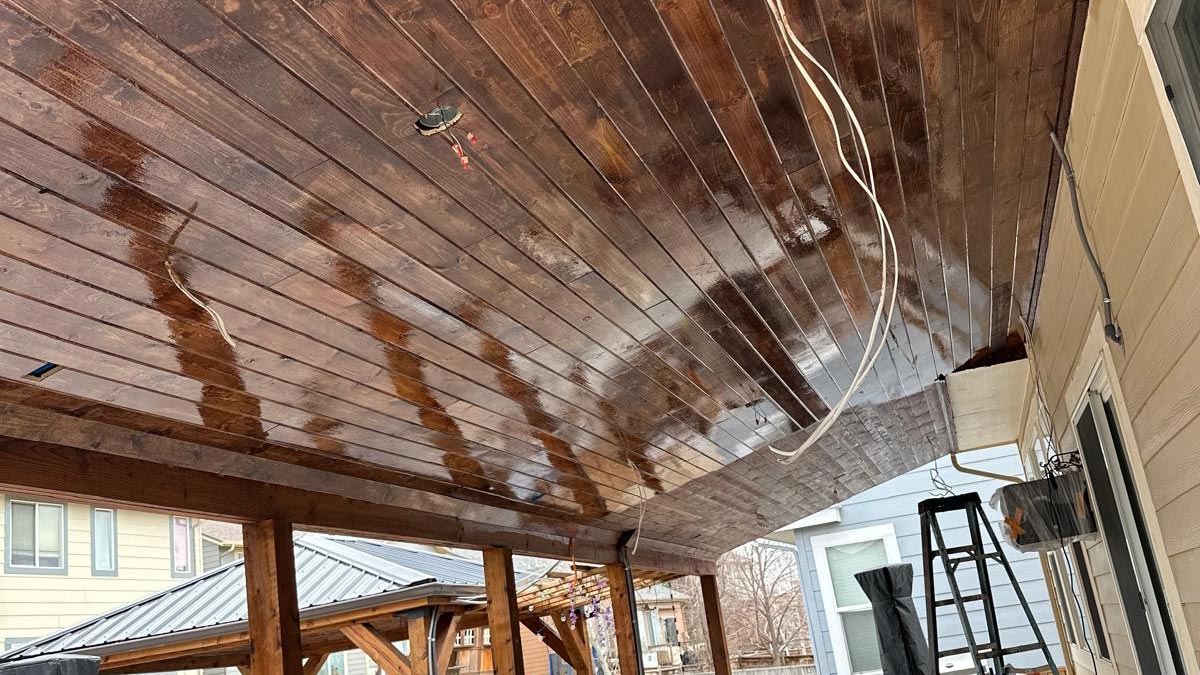
- Pergolas & covers — shade from the intense Colorado sun and cover from afternoon storms.
- Multi-level designs — separate zones for dining and lounging, ideal on sloped yards.
- Railings that fit the home — cable or glass for open views, metal or wood for a traditional look.
- Outdoor kitchens & fire features — the anchor of a true outdoor living space.
| Railing | The look | View impact | Maintenance | Cost |
|---|---|---|---|---|
| Wood picket | Traditional, matches wood decks | Moderate blockage | Stain with the deck | $ |
| Metal baluster | Clean black verticals | Light | Nearly none | $$ |
| Cable rail | Modern horizontal lines | Minimal — mountain-view favorite | Occasional re-tension | $$$ |
| Glass panel | Frameless, premium | None — pure view | Squeegee after storms | $$$$ |
| Composite-clad | Matches composite decking | Moderate | None | $$$ |
Our step-by-step deck building process
- Free consultation & measure of your yard, grade and how you want to use the space.
- Design & material selection — layout, levels, railings and decking, locked into a scope.
- Written estimate with line-item materials and labor.
- Permit pulled; structural details submitted.
- Footings dug below frost depth and poured.
- Framing & ledger. Structure built and flashed to the house so water can never track in.
- Decking & railings installed.
- Final walkthrough and punch list.
What drives the cost of a Denver deck
 Size, height off the ground, material choice, and features like stairs, railings and lighting drive the price. Planning ranges:
| Type | Scope | Typical range |
|---|---|---|
| Ground-level wood | Simple pressure-treated deck, basic railing | $8k – $18k |
| Composite deck | Mid-size composite deck, quality railing, stairs | $18k – $40k |
| Elevated / multi-level | Raised or multi-level with lighting, built-ins, cover | $40k – $80k+ |
Colorado climate & deck care
Building for Colorado is half the job; the other half is choosing a material whose upkeep you will actually keep up with. At altitude, UV is far more intense than at sea level and fades and dries out wood quickly. Hail can dent and split softwood. And the daily freeze-thaw swing works at fasteners and any spot where water sits. That is why we favor stainless or coated structural fasteners, hidden fastening systems on composite, and detailing that sheds water rather than trapping it. If you love the look of real wood, plan on sealing every one to two years; if you would rather not think about maintenance, composite or PVC is worth the higher upfront cost. We will give you a straight recommendation based on how you want to spend your weekends.
| Season | Wood decks | Composite / PVC |
|---|---|---|
| Spring | Wash, inspect fasteners & ledger, re-stain if water stops beading | Soap-and-water wash; check gapping & fasteners |
| Summer | Sweep debris from board gaps; watch sun-side fade | Nothing — enjoy it |
| Fall | Clear leaves (they trap moisture & stain); trim overhanging branches | Clear leaves from gaps |
| Winter | Shovel along boards with a plastic shovel; skip harsh ice-melt salts | Same — plastic shovel, calcium-chloride-free melt |
Deck safety: what actually matters
 Most deck failures are not the decking boards you see — they are the connections you don’t. The parts of a deck that keep people safe are the parts a good builder never cuts corners on:
- The ledger connection. Where the deck attaches to the house is the single most common failure point. We bolt (never just nail) the ledger and flash it correctly so it carries load and keeps water out of the wall.
- Footings below frost. Footings that don’t reach below frost depth heave every winter and slowly rack the whole structure. Ours go deep enough to stay put.
- Guardrails & balusters. Railings must resist real lateral force and keep gaps small enough for child safety — we build to code, not to eyeball.
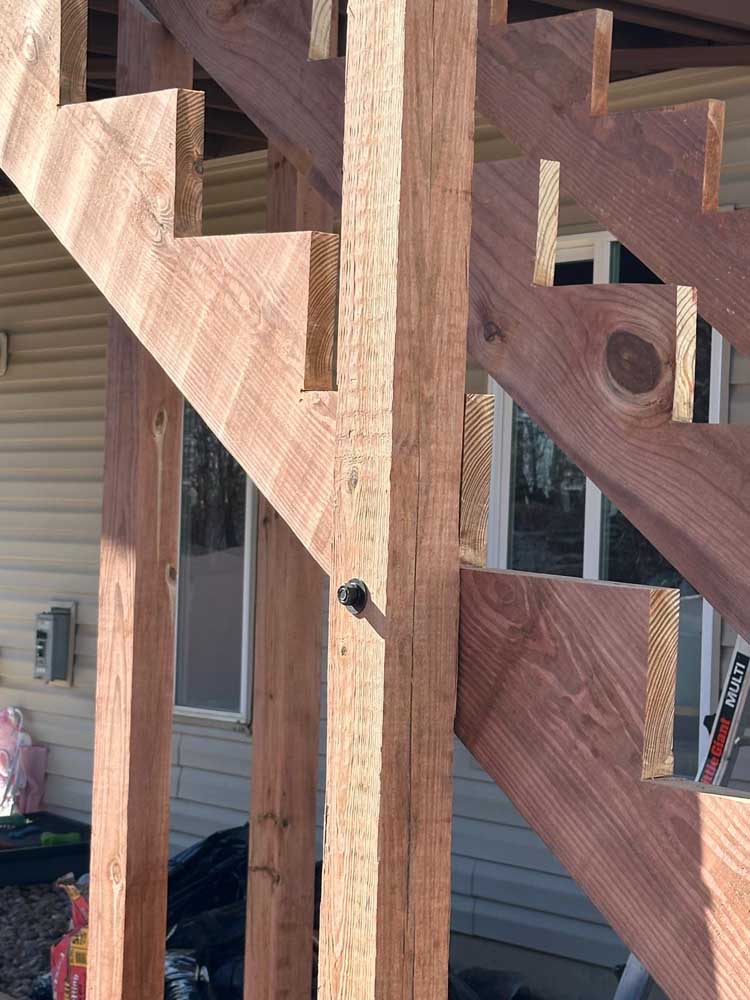
- Stair stringers & treads. Consistent rise/run and solid attachment prevent the trips and collapses that send people to the ER.
- Proper fasteners & hardware. Corrosion-rated joist hangers, hurricane ties and structural screws hold it all together for the long haul.
Because these are life-safety elements, they are exactly what the building inspector checks — and why permitting a deck protects you, not just the paperwork.
Permits, codes & safety
Decks are structural and attach to your home, so they are permitted and inspected — and for good reason: ledger and railing failures cause real injuries.
- Local permits. Decks over a certain height require a permit and inspection; in our home city these run through Greenwood Village Building Permits & Inspections, and we file with the right department for your address.
- Frost-depth footings. Colorado’s freeze-thaw demands footings below frost line so the deck doesn’t heave.
- Licensed trades. Any electrical for deck lighting is done by a licensed electrician — verify via Colorado DORA.
- Efficient exteriors. Re-siding is a chance to improve the envelope; see ENERGY STAR for efficient exterior products.
Why choose BH Builders for your deck
- Built for Colorado weather — proper footings, flashing and fasteners.
- Licensed & insured, permitted and inspected.
- One point of contact and a fixed written price.
- Local to Greenwood Village and the Denver metro.
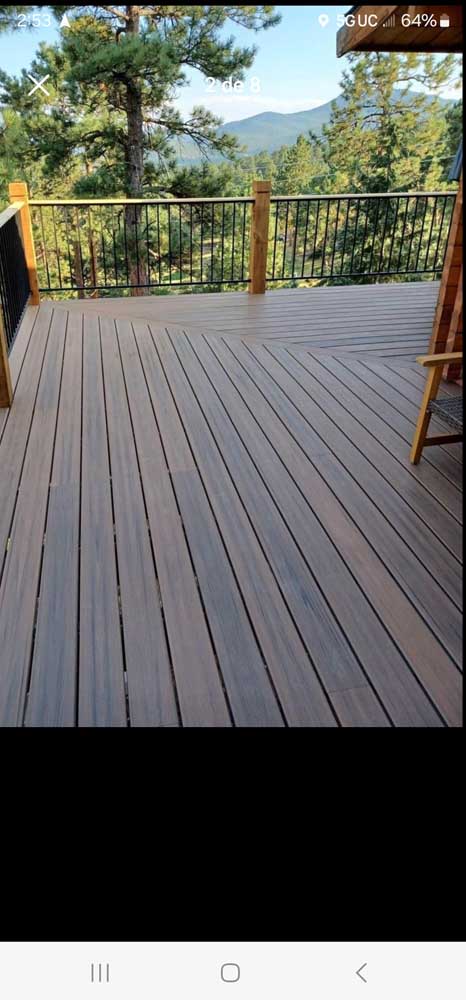
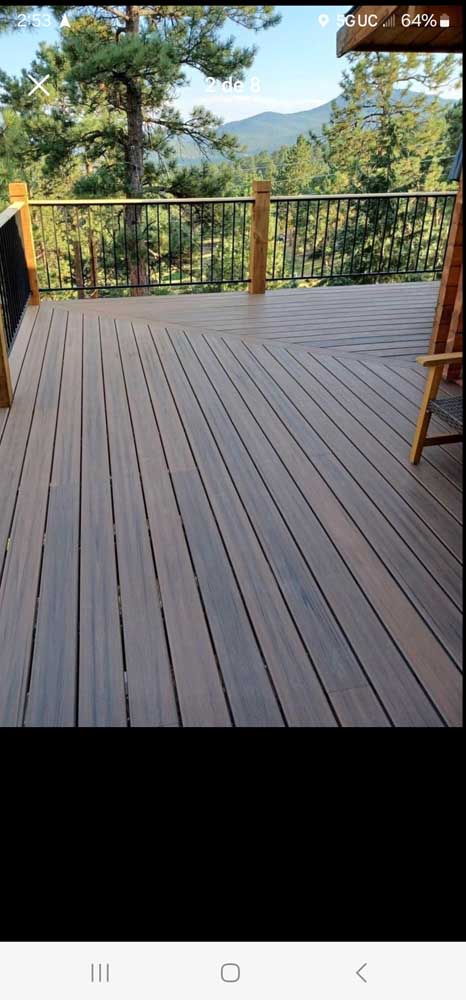
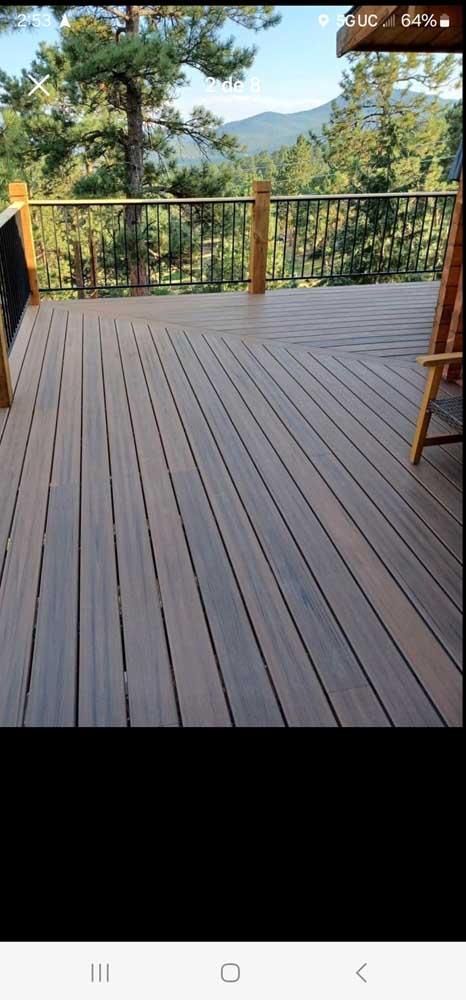
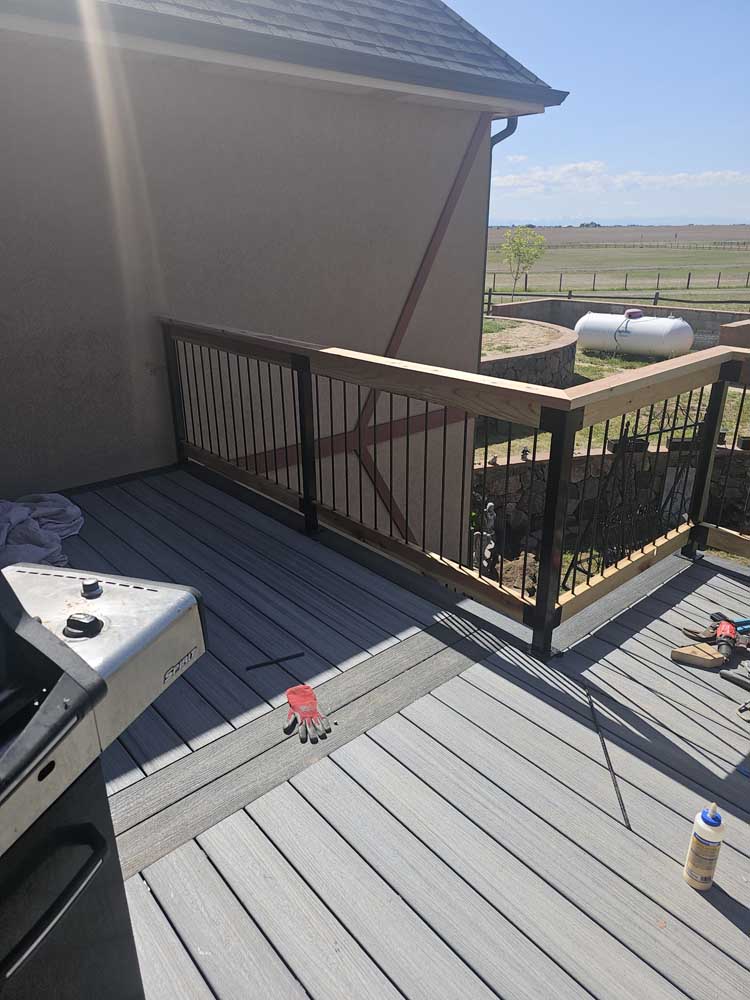
Recent decks & exterior work photos from our job sites
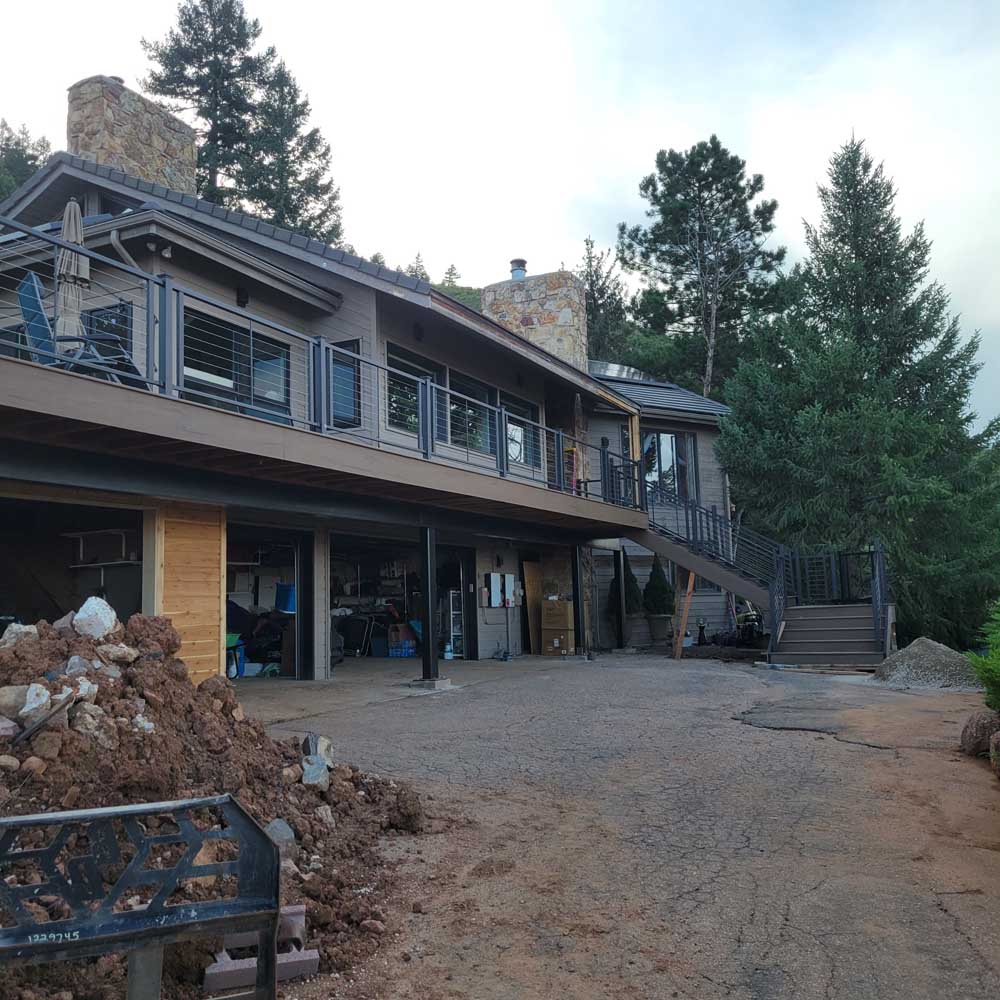
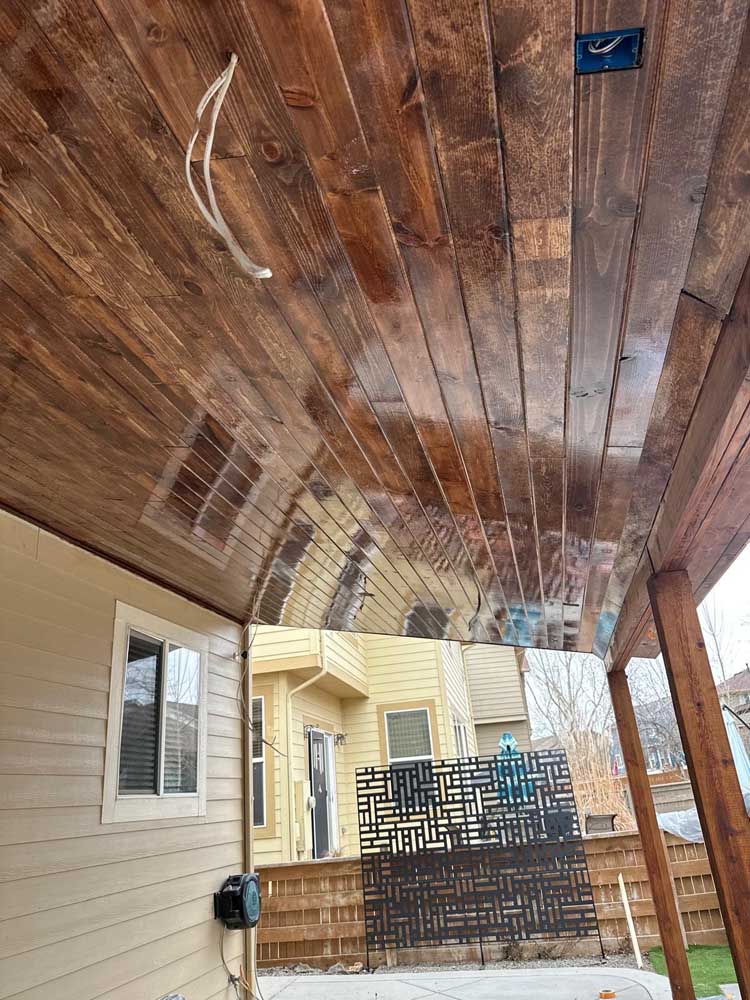
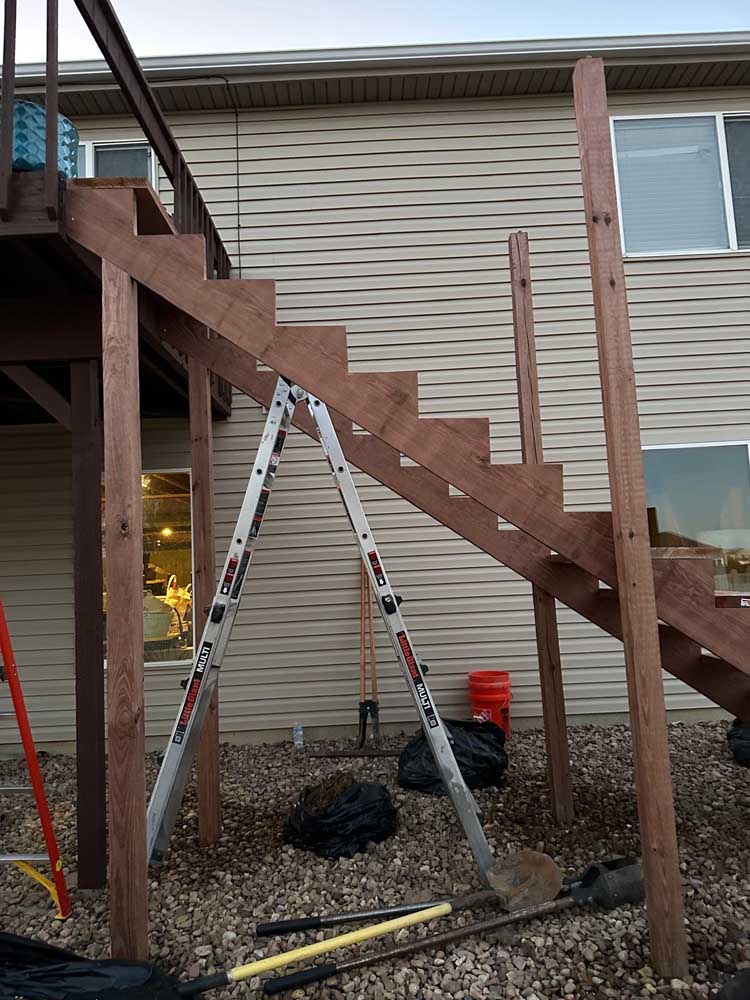
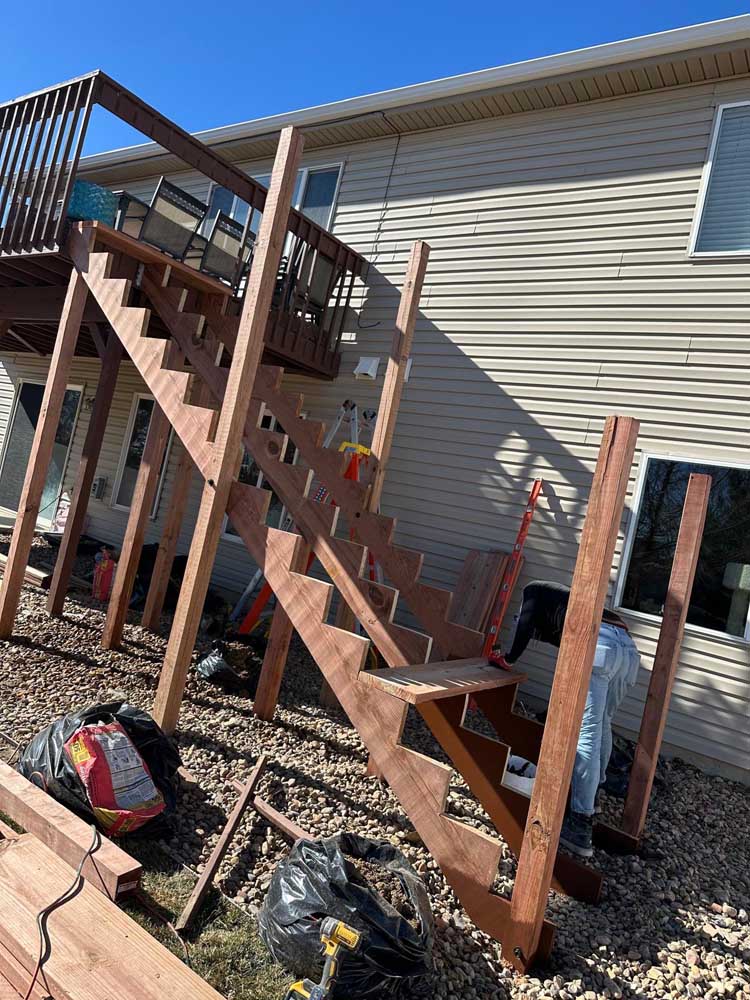
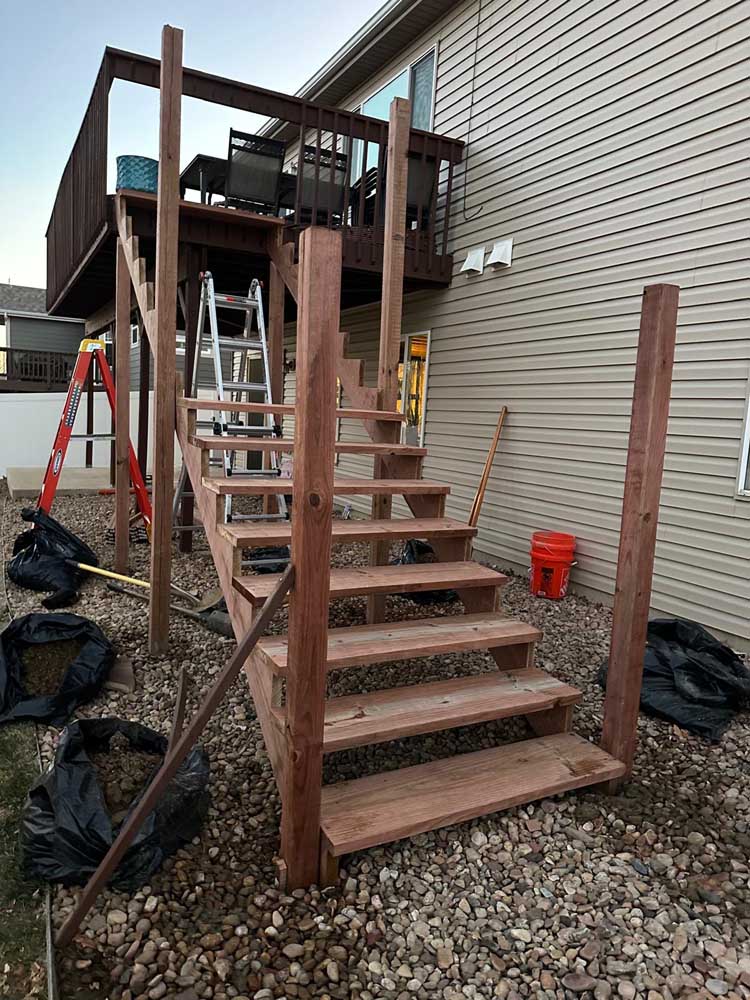
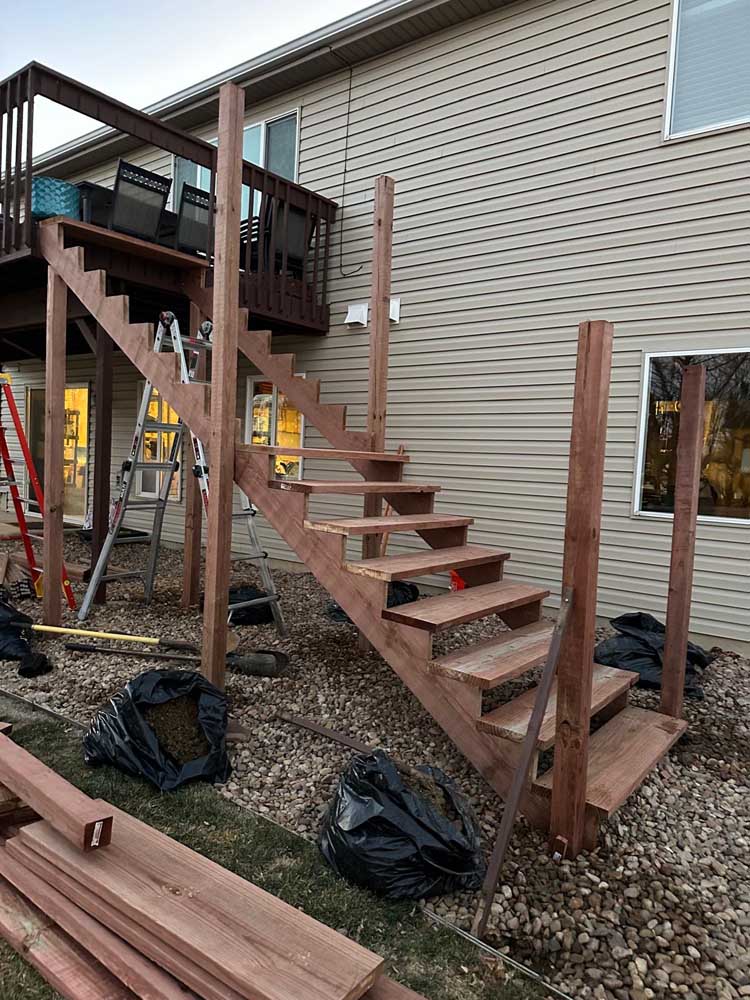
Real BH Builders work across the Denver metro — no stock photos. Tap any photo to zoom. See the full project gallery →
Serving decks & exterior work across the Denver metro
BH Builders is based in Greenwood Village and provides decks & exterior work to homeowners throughout the Denver metro and the surrounding Front Range. Wherever you are, you get the same licensed, insured crew, the same fixed written pricing, and the same standard on every job. We regularly work in these communities and the neighborhoods around them:
- Denver
- Greenwood Village
- Centennial
- Littleton
- Highlands Ranch
- Aurora
- Englewood
- Lakewood
- Parker
- Castle Rock
- Lone Tree
- Cherry Hills Village
- Arvada
- Berkley
- Brighton
- Broomfield
- Castle Pines
- Commerce City
- Federal Heights
- Foxfield
- Golden
- Ken Caryl
- Lafayette
- Louisville
- North Washington
- Northglenn
- Sherrelwood
- Thornton
- Todd Creek
- Welby
- Westminster
- Wheat Ridge
Don’t see your town on the list? If you’re anywhere in the greater Denver metro, call (720) 980-3913 — there’s a good chance we serve your area, and the estimate is always free.
Colorado weather is brutal on anything outdoors — UV, hail, freeze-thaw, all in the same week sometimes. We build decks with the flashing, footings and fasteners to take it, so ten years on it’s still solid underfoot, not just still standing.DT · Owner, BH Builders
Frequently asked questions
Wood or composite deck for Colorado?
Do I need a permit for a deck in the Denver metro?
Why do deck footings have to be so deep here?
How long does it take to build a deck?
Can you rebuild or repair my existing deck?
Do you offer free estimates?
Ready to build your deck?
Free, no-pressure estimate with a clear written scope and price.
📞 Call (720) 980-3913 Schedule a Free Meeting