

Roof replacements start at $15,000 — get your personalized number below
Price Your New Roof, Line by Line
Size, pitch, complexity and every material from 3-tab to standing seam — priced the way a real Denver roofing estimate is built. Takes about two minutes — your range unlocks at the end.
Rough planning estimate based on typical Denver-metro pricing — not a quote. Your exact price comes from a free roof inspection. See how we price →
Roofing in the Denver metro
 The Front Range sits squarely in “hail alley” — the corridor from Colorado to Texas that sees more large hail than almost anywhere else on earth. Add intense high-altitude UV, 60 mph chinook winds, and freeze-thaw cycles that can swing 40 degrees in a day, and a Denver roof lives a harder life than a roof almost anywhere else in the country. That reality shapes everything about how we build them: the materials we recommend, the fastening schedules we follow, and the detailing at every valley, penetration and edge.
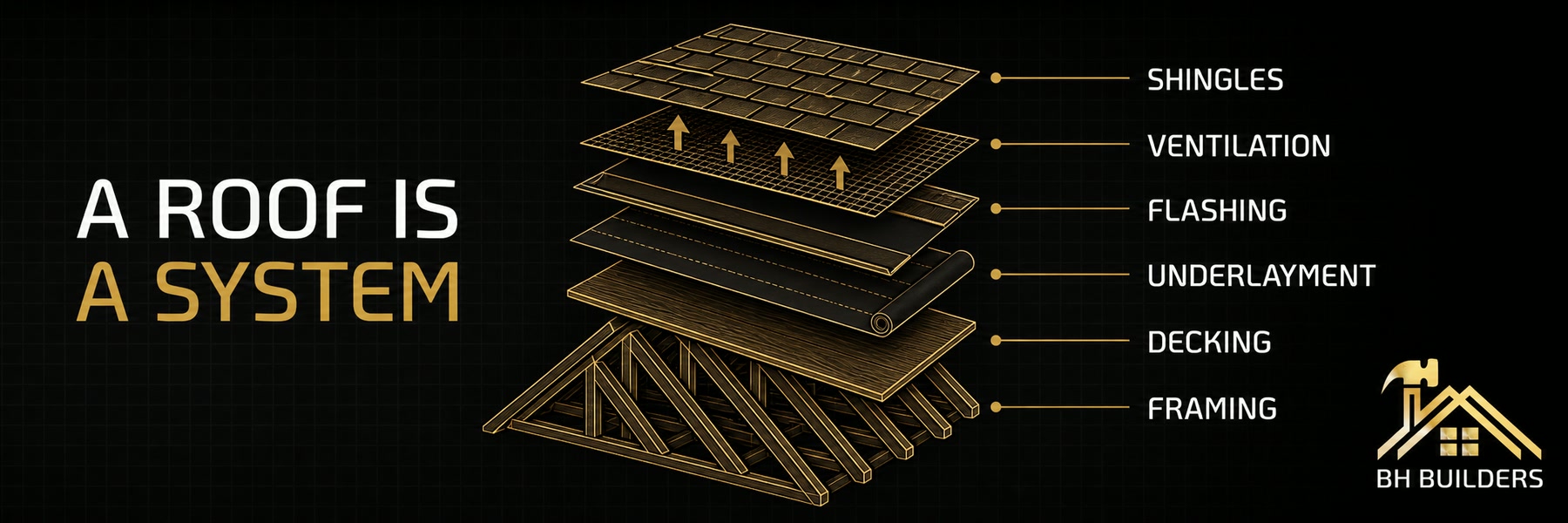
BH Builders is a licensed, insured general contractor based in Greenwood Village — not a storm-chasing outfit that appears after a hail event and disappears before the first callback. We replace and repair roofs across the Denver metro as part of complete exterior work or as standalone projects, with the same fixed written pricing, permits and workmanship guarantee we bring to every trade. And because we are a full general contractor, when a roof project uncovers rotten decking, undersized ventilation or fascia damage, we fix it properly instead of shingling over it.
Roofing services we provide
- Full roof replacement — tear-off to the deck, inspection, new underlayment, ice-and-water shield, and the roofing system of your choice.
- Hail & storm damage repair — from spot repairs to full insurance-claim replacements, documented properly.
- Free roof inspections — after storms, before a home sale, or just because it’s been a while.
- Impact-resistant upgrades — UL 2218 Class 4 shingles that shrug off the hail that totals ordinary roofs.
- Metal roofing — standing-seam systems for homeowners who want to install once and be done.
- Gutters, fascia & soffit — the water-management system your roof drains into, replaced or repaired with it.
- Ventilation correction — ridge, soffit and attic ventilation sized right, so heat and moisture stop cooking your shingles from below.
- Skylights — replaced or added during reroofing, flashed so they never leak.
Roofing materials compared for Colorado
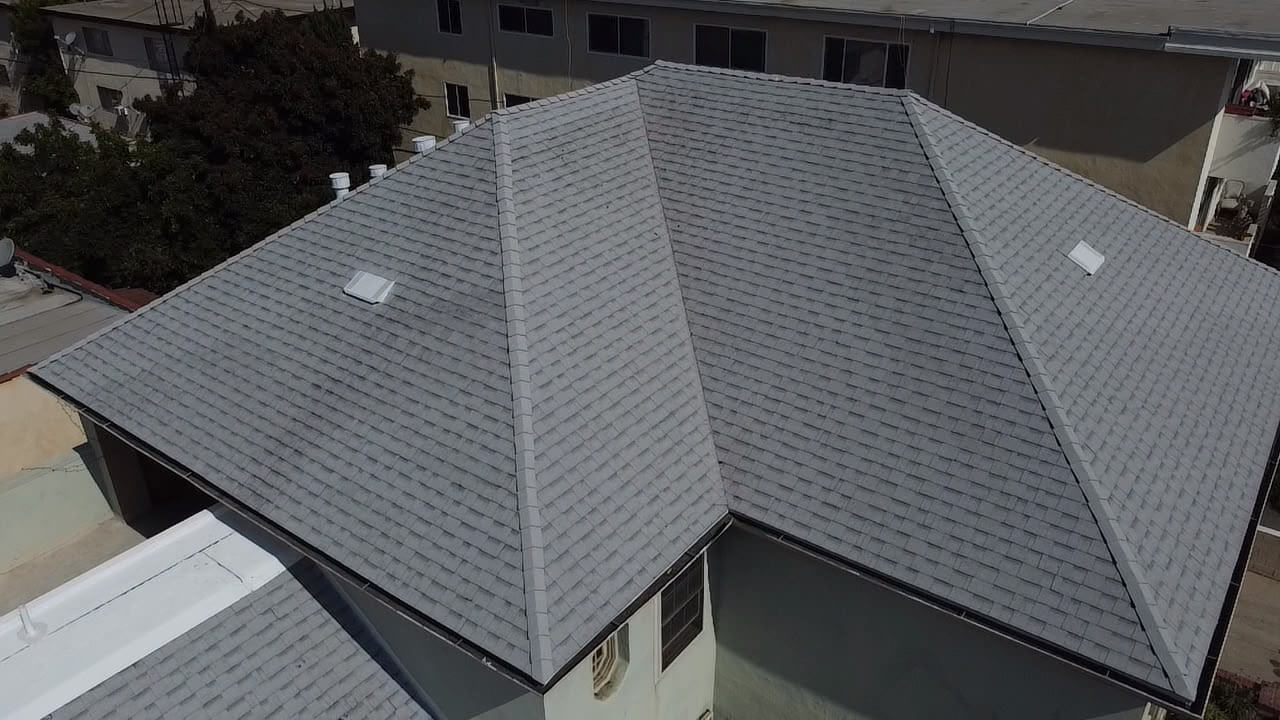
 Material choice is the biggest single decision on a reroof — and in Colorado it is mostly a hail decision. Here is the honest comparison we walk every client through:
| Material | Hail resistance | Realistic CO lifespan | Look | Relative cost |
|---|---|---|---|---|
| 3-tab asphalt | Poor — often totaled by 1″ hail | 12–18 yrs | Flat, basic | $ |
| Architectural asphalt | Fair | 18–25 yrs | Dimensional, most popular | $$ |
| Class 4 impact-resistant asphalt | Very good — UL 2218 rated, insurer discounts common | 20–30 yrs | Same as architectural | $$$ |
| Standing-seam metal | Excellent — dents cosmetic, no punctures | 40–60 yrs | Modern, mountain | $$$$ |
| Concrete tile | Very good (edges can chip) | 40–50 yrs | Southwest / Mediterranean | $$$$ |
| Synthetic slate / shake | Excellent — most carry Class 4 | 40–50 yrs | Premium slate or cedar look | $$$$ |
Hail, insurance claims & Colorado law
Sooner or later, most Denver-metro roofs meet a hailstorm that ends them. When that happens, the process usually runs through your homeowner’s insurance — and it pays to know how Colorado law protects you before anyone knocks on your door:
- You own the claim. You file with your insurer and the adjuster assesses damage. We inspect first, document everything with photos, and can meet the adjuster on your roof so legitimate damage isn’t missed.
- Colorado’s residential roofing law (C.R.S. § 6-22-101 et seq.) requires roofers to give you a written contract, and gives you 72 hours to cancel — including if your insurer denies the claim.
- No roofer may pay or waive your deductible. Under C.R.S. § 6-22-105 it is illegal for a contractor to rebate, absorb or “take care of” your deductible. Anyone offering to is telling you exactly how they do business.
- Beware the storm chasers. After major hail events, out-of-state crews canvass hard-hit neighborhoods, collect insurance checks, install the cheapest possible roof and vanish. Verify any contractor’s standing and history — you can check ours through Colorado DORA — and see the Colorado Division of Insurance for consumer guidance on claims.
- Supplement properly, never inflate. If tear-off reveals damage the adjuster couldn’t see — rotten decking, crushed vents — we document it and submit a supplement through the proper channel. Everything in writing, everything defensible.
Signs your roof needs attention
 Roofs rarely fail all at once — they telegraph. Call for a free inspection if you notice any of these:
- Granules in the gutters or below downspouts — the shingle’s UV armor washing away.
- Dented gutters, downspouts or roof vents after a storm — if soft metal took hits, shingles did too.
- Curling, cupping or cracked shingles — heat and age breaking down the mat.
- Shingles in the yard after wind — failed seal strips let gusts get underneath.
- Ceiling stains or attic moisture — water is already inside; act now, not next season.
- Daylight or damp insulation in the attic — the deck itself is compromised.
- A roof over 15 years old that has never been inspected — in Colorado, that alone is reason enough.
Our roof replacement process
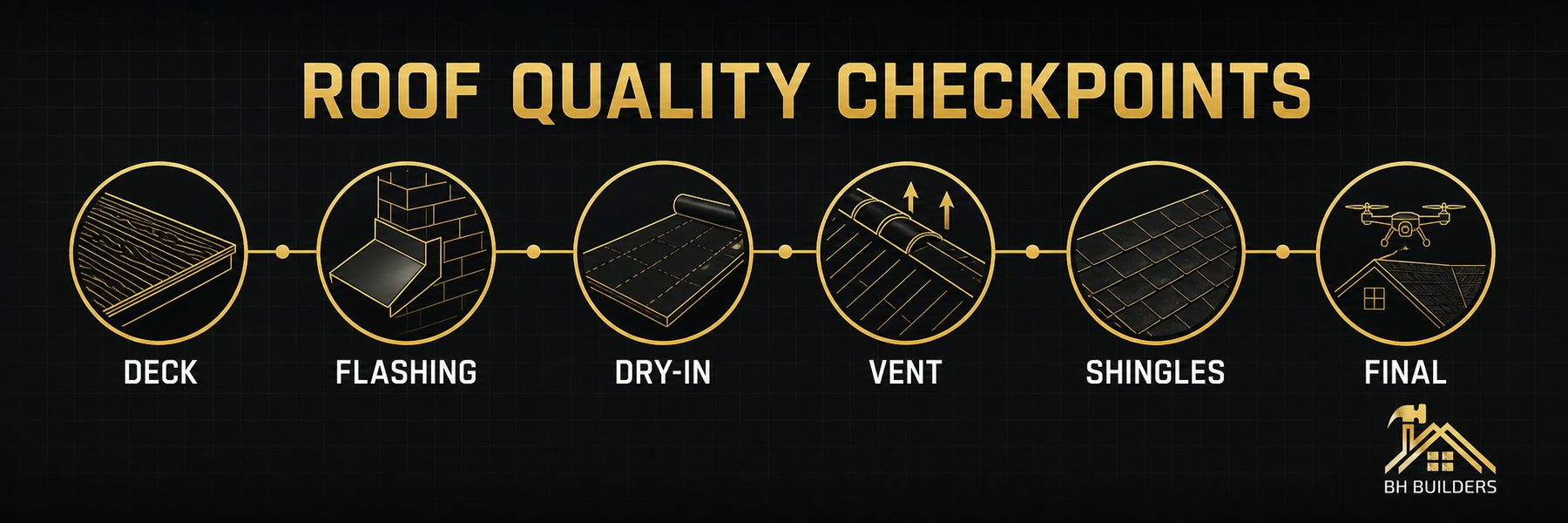
- Free inspection & report. Roof-level (not from the truck), photographed, with a straight verdict — repair, monitor or replace.
- Material selection. We walk you through the table above with real samples and real trade-offs, including insurance discounts for Class 4.
- Written fixed price. Line-item scope — tear-off, decking allowance, underlayment, ice-and-water, flashing, ventilation, cleanup.
- Permit filed with your city or county building department.
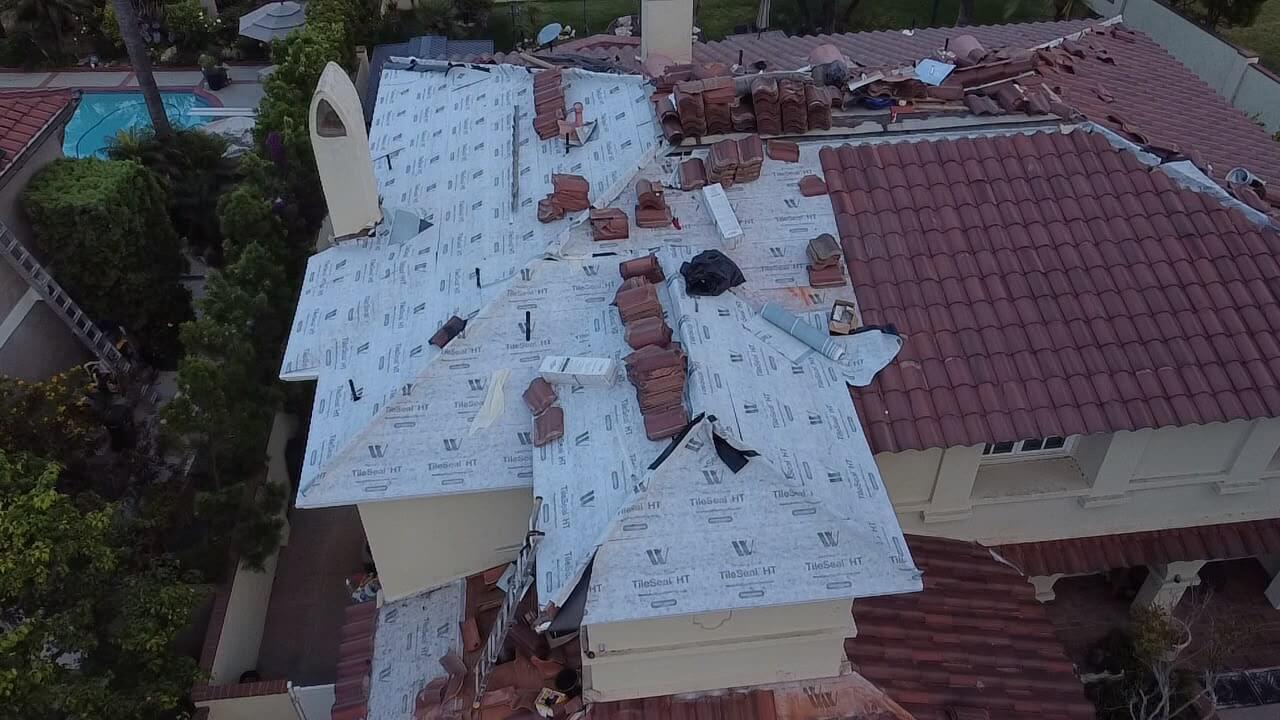
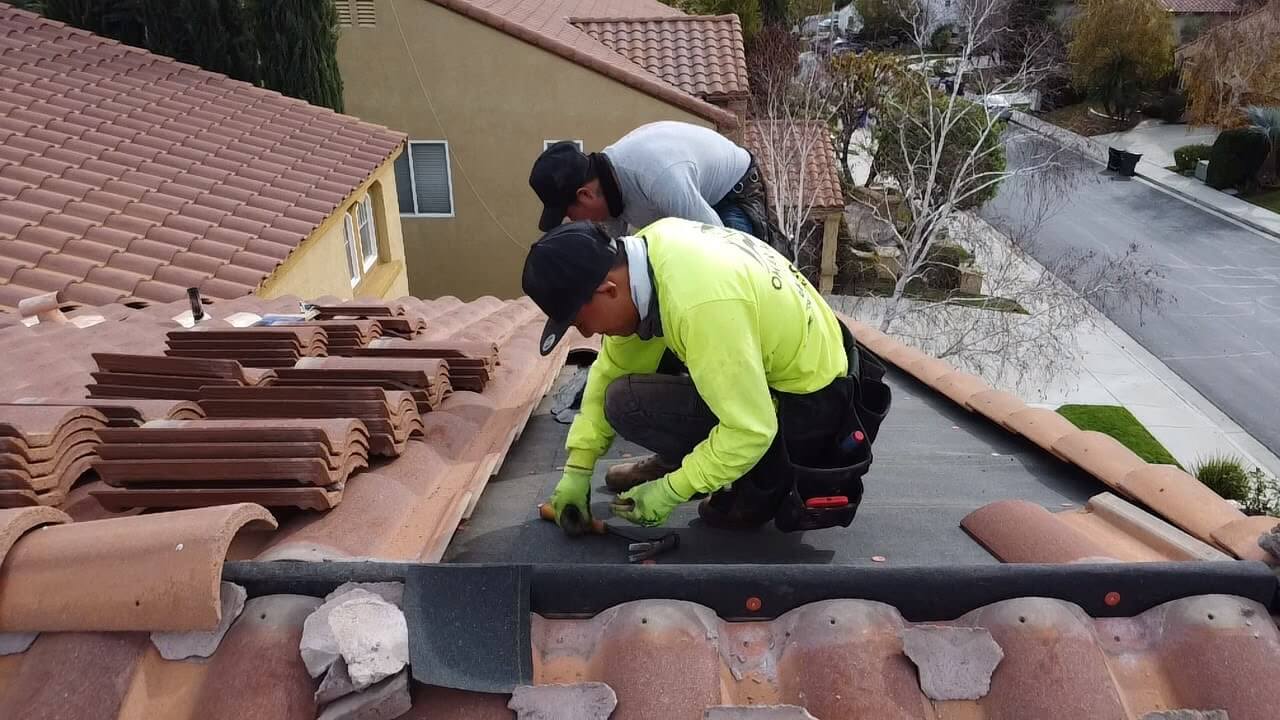
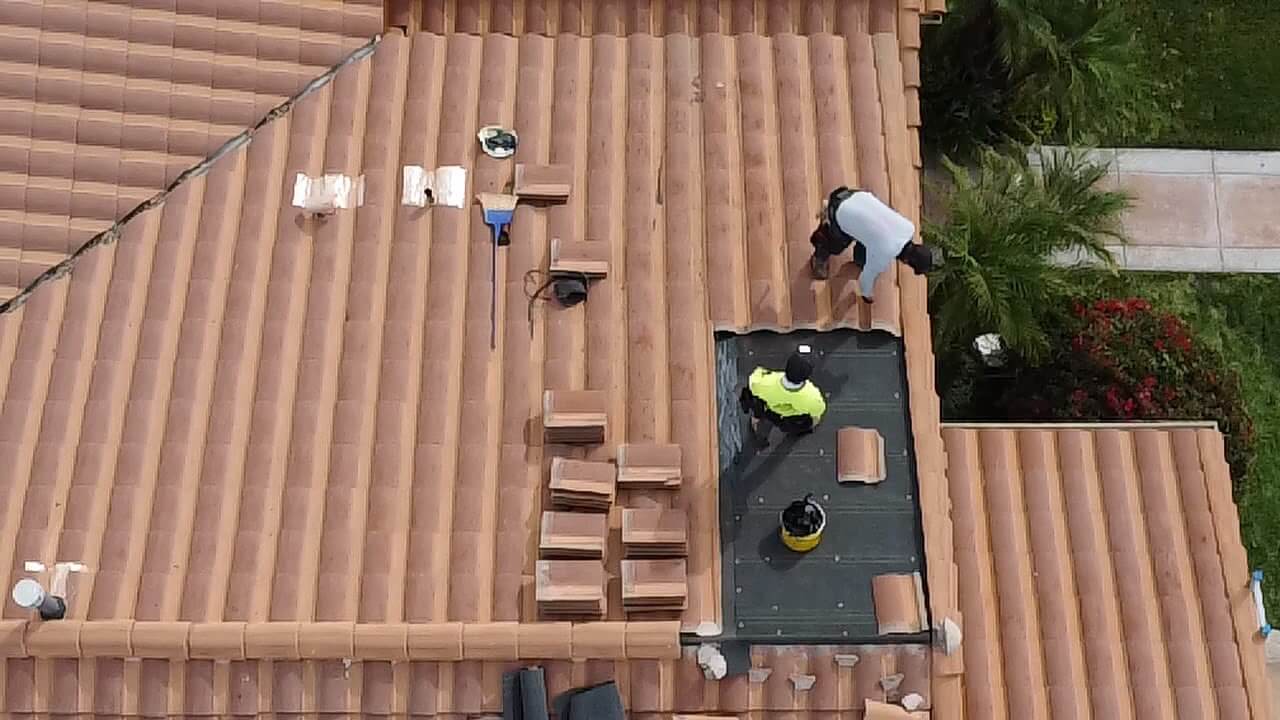
- Tear-off to the deck. No shingle-overs — we inspect and replace bad decking at the disclosed per-sheet allowance.
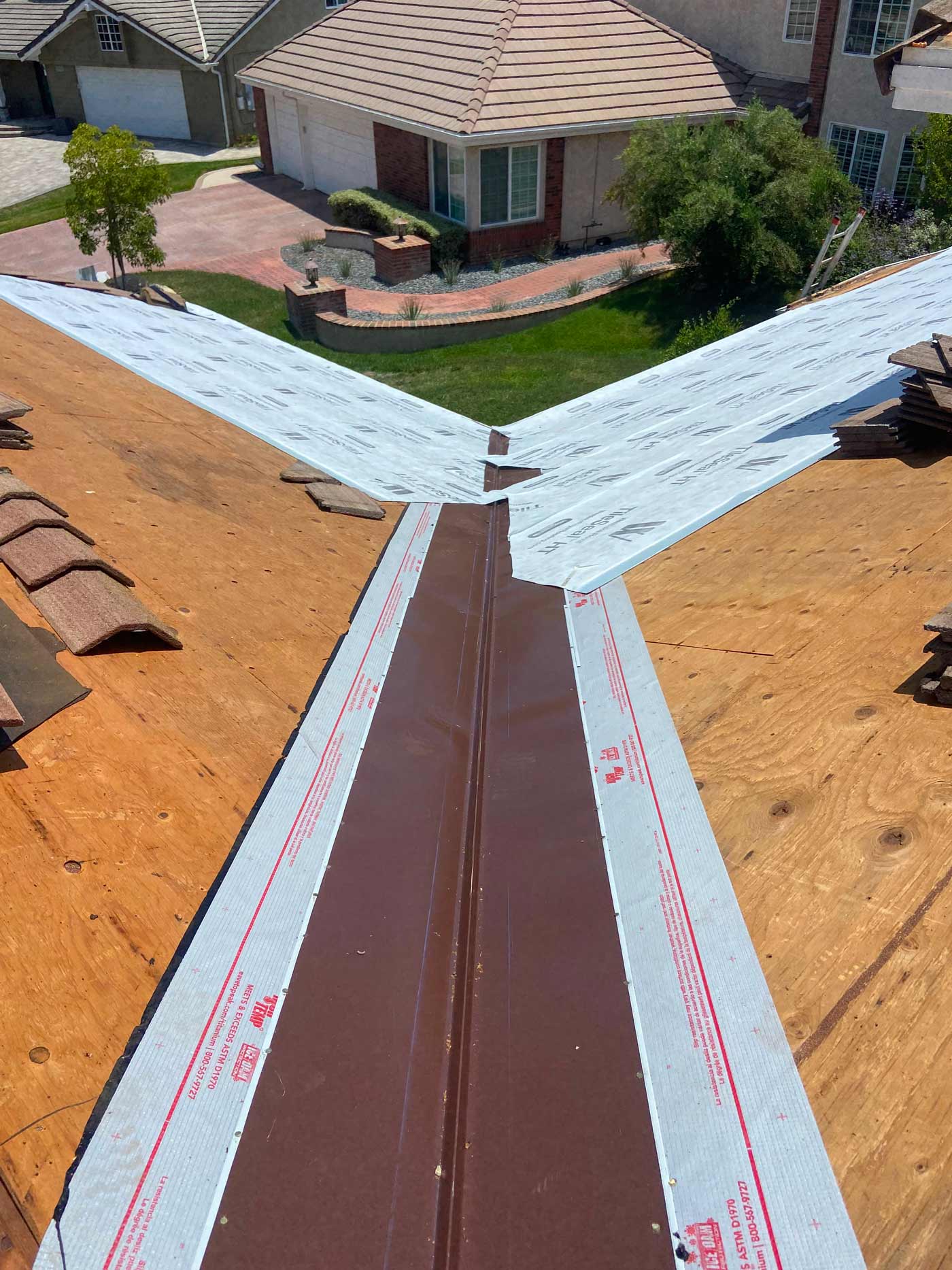
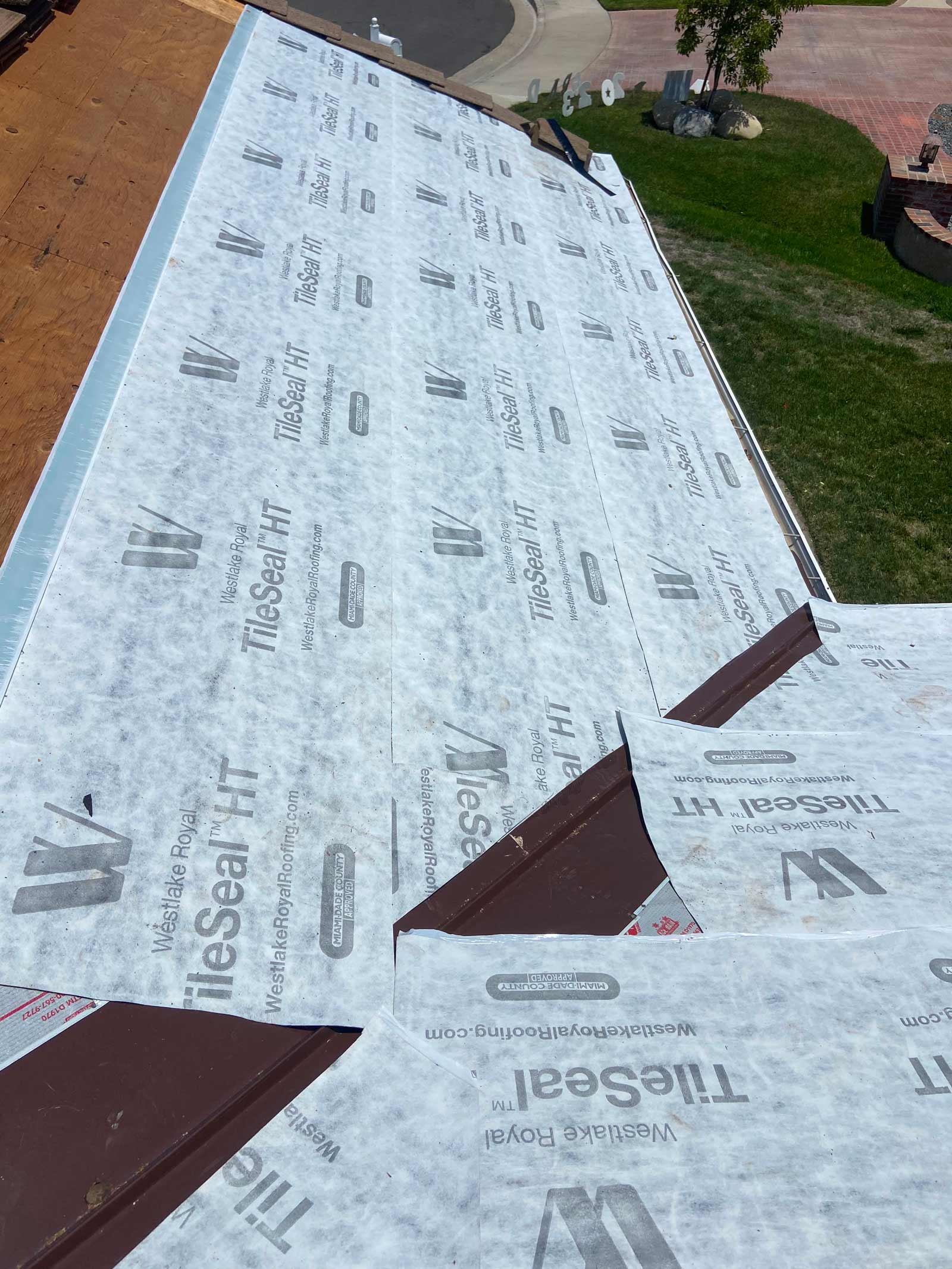
- Dry-in done right. Synthetic underlayment, ice-and-water shield at eaves and valleys per code, new flashing and drip edge — the parts you never see that decide whether the roof leaks.
- Installation & ventilation. Manufacturer-specified nailing schedule (high-wind pattern), ridge venting sized to the attic.
- Magnet sweep & final inspection. Property magnet-swept for nails, city inspection passed, warranty registered, photos delivered.
What a new roof costs in Denver
Roof pricing is driven by area (measured in “squares” — 100 sq ft), pitch and complexity, the number of layers coming off, decking condition, and the system going on. Honest planning ranges for typical Denver-metro homes:
| Project | Typical range | Notes |
|---|---|---|
| Repairs & storm patching | $2k – $8k | Flashing, small sections, vents |
| Architectural asphalt replacement | $15k – $30k | The most common Denver reroof |
| Class 4 impact-resistant replacement | $18k – $35k | Ask your insurer about premium discounts |
| Concrete tile / synthetic | $30k – $70k | Structure must support the weight — we verify |
| Standing-seam metal | $35k – $80k+ | Install once; 40–60 year system |
 See our pricing guide for how these figures are built and what each finish tier means across all our services.
Ventilation, ice dams & energy
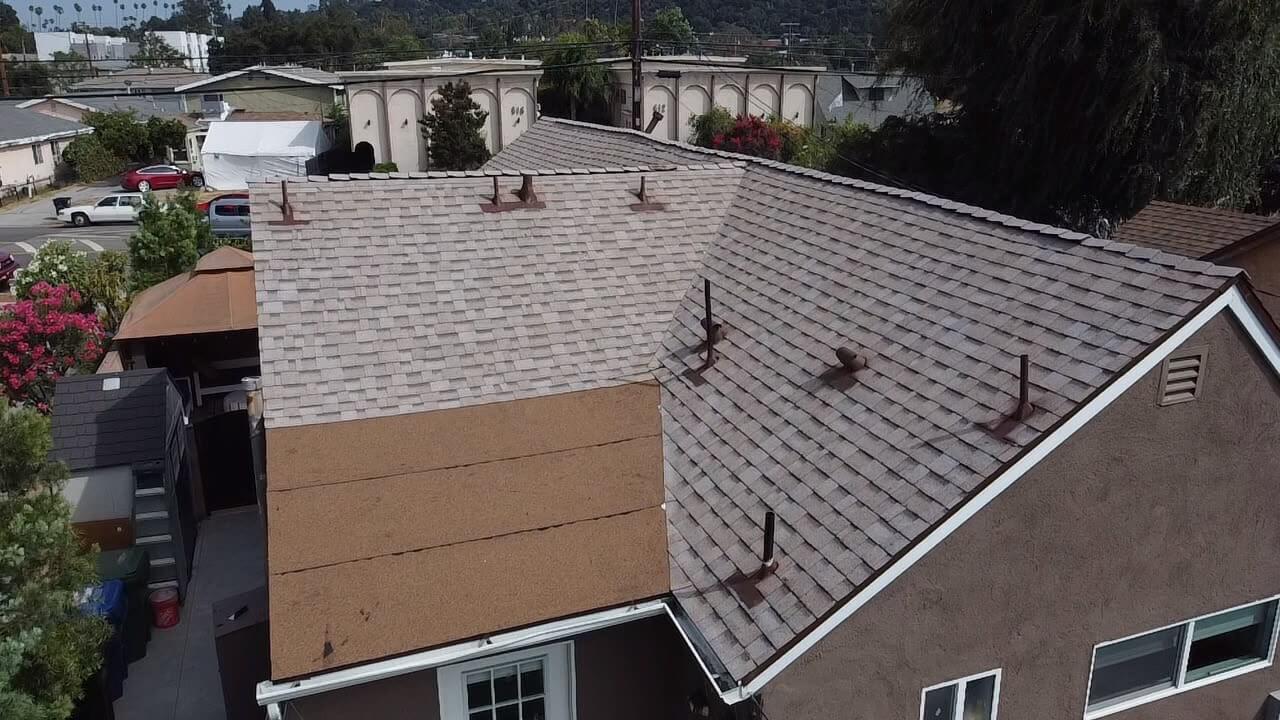
A reroof is the one moment the whole roof system is open — and the cheapest moment to fix the problems that quietly shorten roof life and inflate energy bills. Under-ventilated attics superheat in summer, cooking shingles from below and pushing cooling costs up; in winter they melt snow unevenly and feed the ice dams that back water up under shingles at the eaves. We size ridge-and-soffit ventilation to the actual attic volume, add ice-and-water membrane where Colorado code requires it, and flag thin attic insulation while we’re there. If energy performance matters to you, ENERGY STAR’s certified roof products reflect more sun and shed heat — worth a look for low-slope sections — and the rebate finder lists current utility incentives by ZIP code.
Permits, codes & licensing
 Every reroof we perform is permitted and inspected — in Denver through Community Planning and Development, and through the equivalent building department in each suburb we serve. Code matters on roofs more than almost anywhere: ice-barrier requirements at eaves, drip-edge, fastening schedules for our wind zone, and ventilation ratios all come from it, and the final inspection is your independent verification that the work was done right. We are licensed as a Residential Contractor (Class C) in the City and County of Denver under license LIC00255323 and in the City of Aurora under license 2026-2651997, and registered as required in the other jurisdictions we serve. We handle the filing, meet the inspector, and hand you the passed record. Verify our licensing and insurance anytime through Colorado DORA.
Why choose BH Builders for your roof
- Local and staying local — based in Greenwood Village, on Denver-metro roofs year-round, not just after storms.
- A general contractor’s depth — when tear-off finds rot, structural issues or ventilation problems, we fix them properly in-house.
- Fixed written pricing — disclosed decking allowances instead of surprise change orders.
- Insurance-claim fluency, by the book — thorough documentation, adjuster meetings, zero deductible games.
- The details that decide leaks — flashing, valleys, penetrations and ice barrier get the senior crew, because that’s where roofs actually fail.
- Workmanship guarantee on top of the manufacturer’s material warranty, from a company that will still be here to honor it.
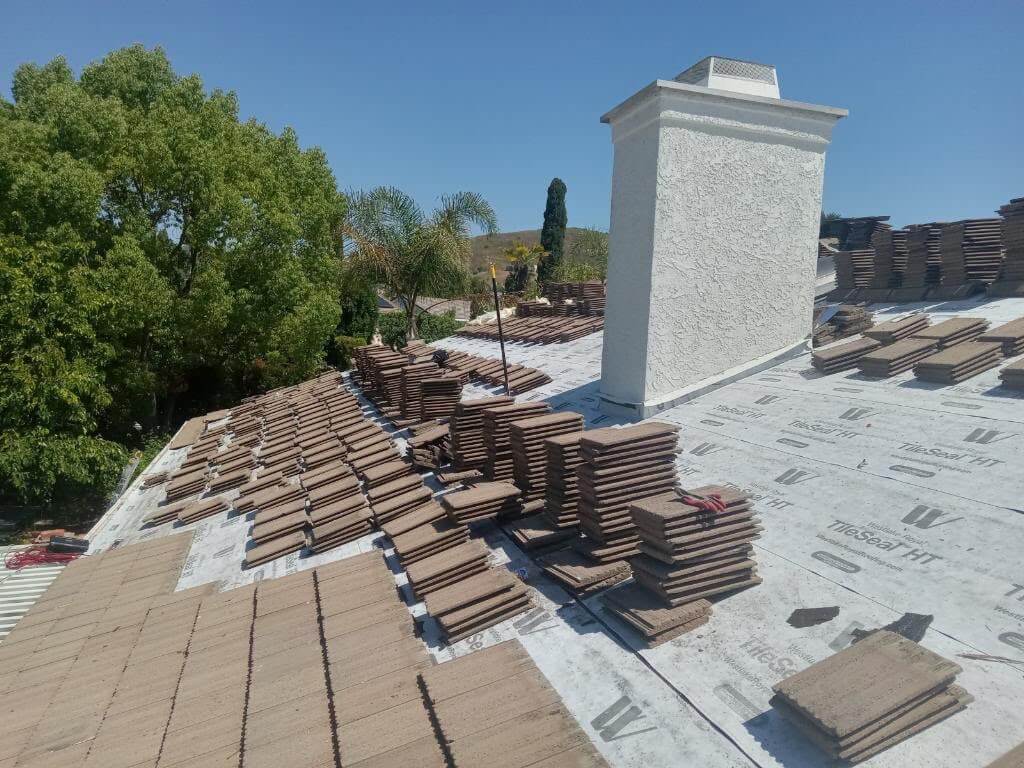
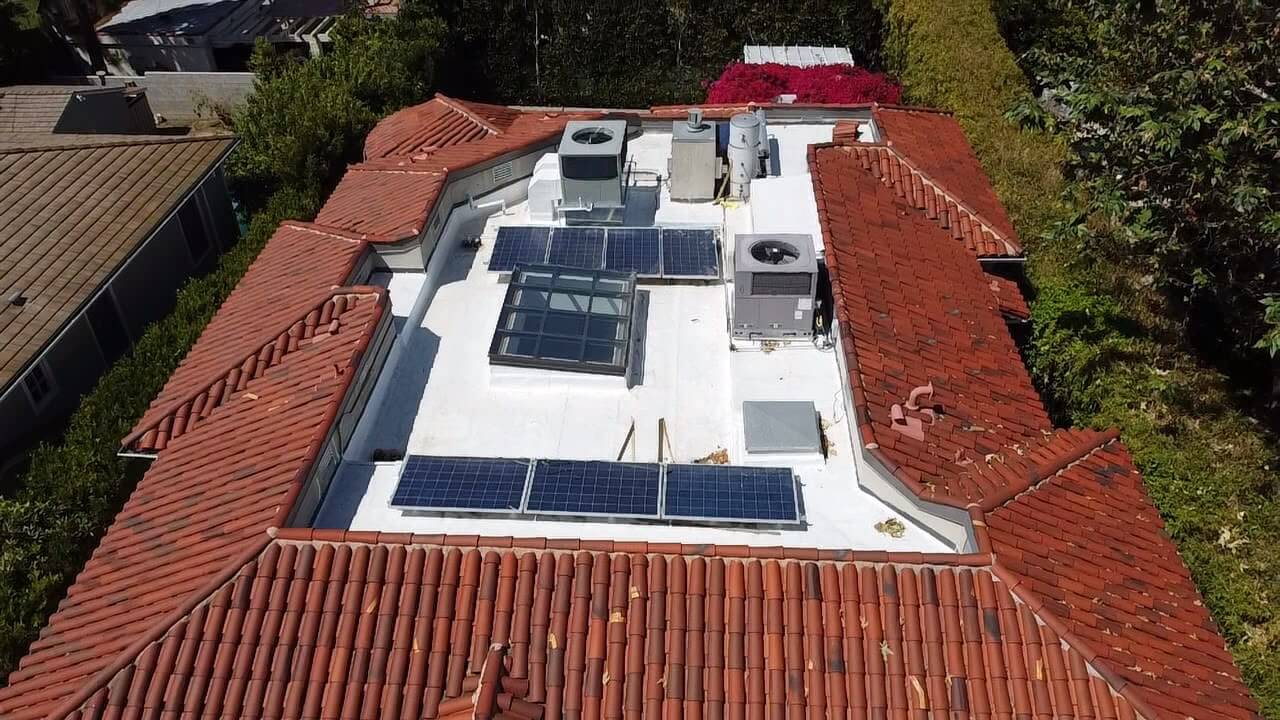
Recent roofing photos from our job sites
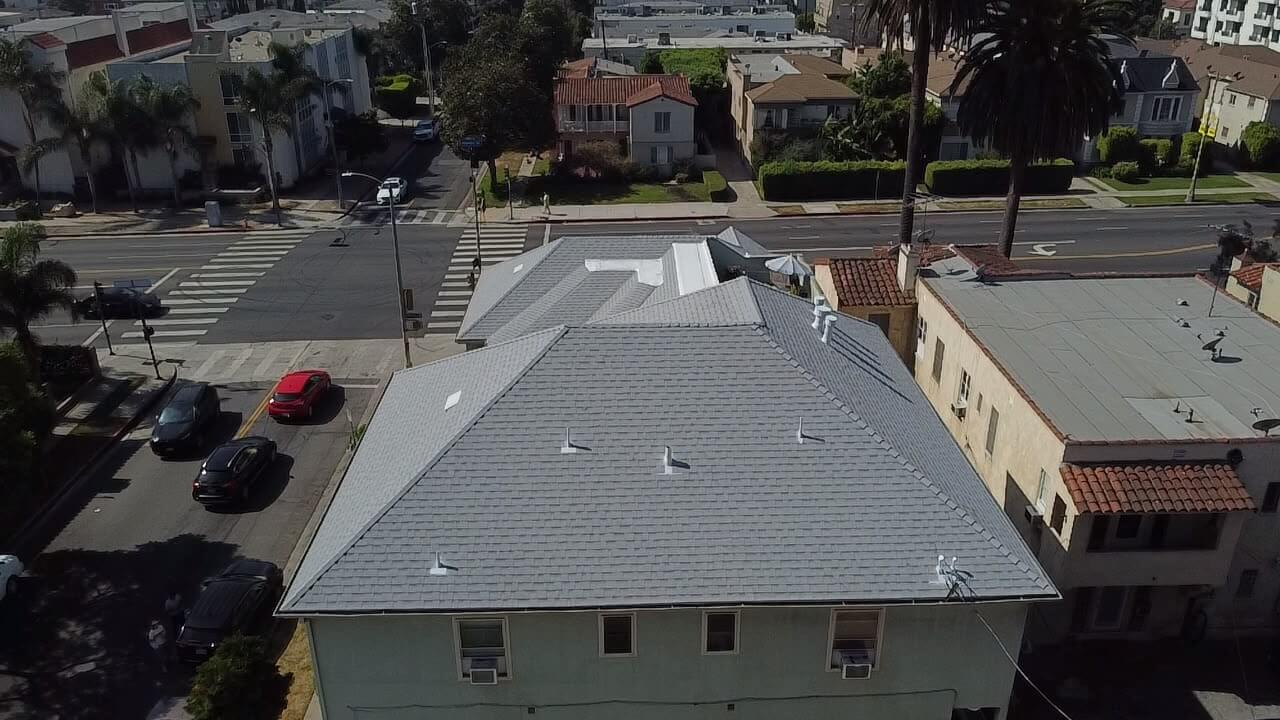
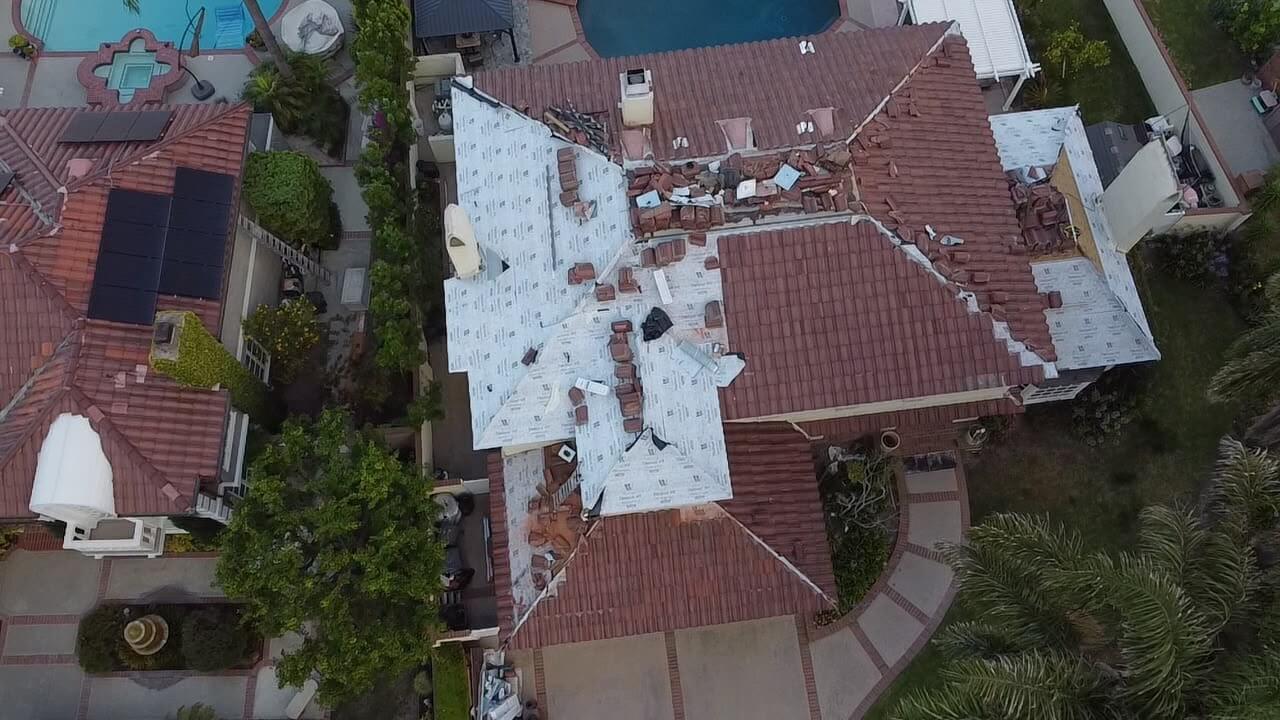
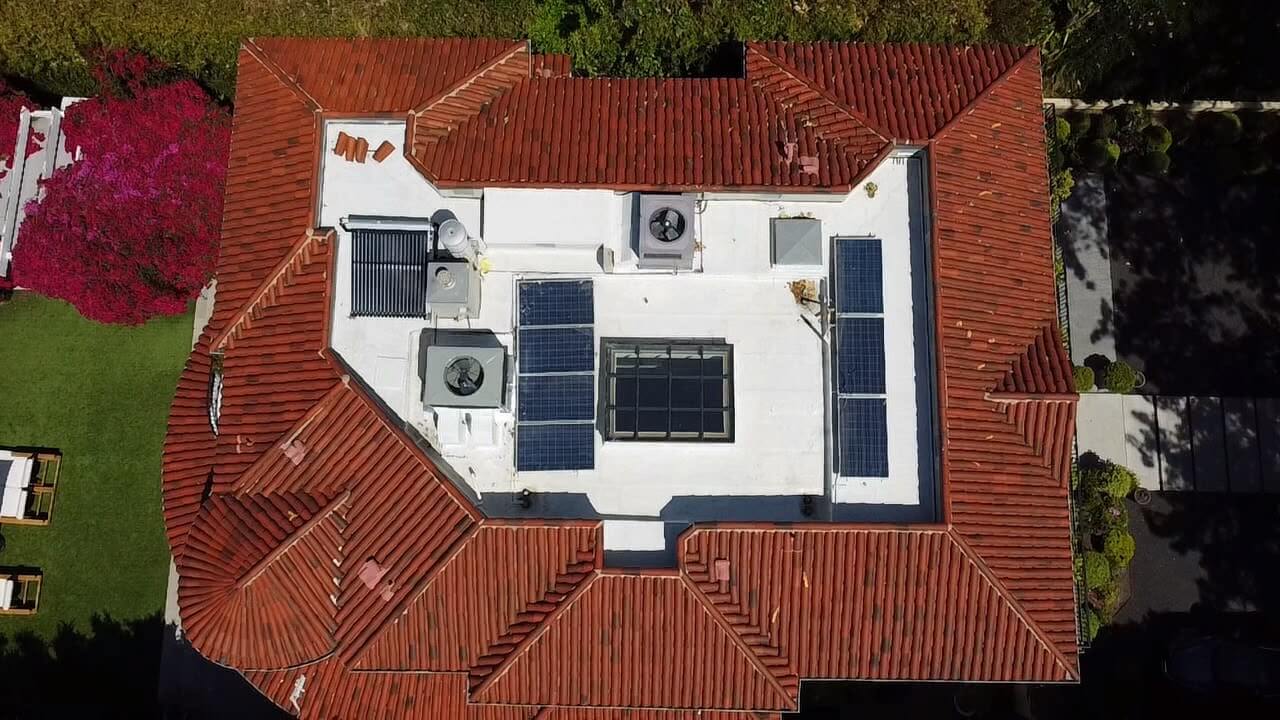
Real BH Builders work across the Denver metro — no stock photos. Tap any photo to zoom. See the full project gallery →
Serving roofing across the Denver metro
BH Builders is based in Greenwood Village and provides roofing to homeowners throughout the Denver metro and the surrounding Front Range. Wherever you are, you get the same licensed, insured crew, the same fixed written pricing, and the same standard on every job. We regularly work in these communities and the neighborhoods around them:
- Denver
- Greenwood Village
- Centennial
- Littleton
- Highlands Ranch
- Aurora
- Englewood
- Lakewood
- Parker
- Castle Rock
- Lone Tree
- Cherry Hills Village
- Arvada
- Berkley
- Brighton
- Broomfield
- Castle Pines
- Commerce City
- Federal Heights
- Foxfield
- Golden
- Ken Caryl
- Lafayette
- Louisville
- North Washington
- Northglenn
- Sherrelwood
- Thornton
- Todd Creek
- Welby
- Westminster
- Wheat Ridge
Don’t see your town on the list? If you’re anywhere in the greater Denver metro, call (720) 980-3913 — there’s a good chance we serve your area, and the estimate is always free.
After every big hailstorm this town fills up with out-of-state trucks selling roofs door to door. We’re the opposite of that — we’re here before the storm and long after, and the roof we put on has to face me every time I drive past it.DT · Owner, BH Builders
Frequently asked questions
How long does a roof replacement take?
Are Class 4 impact-resistant shingles worth it in Colorado?
Can you help with my hail insurance claim?
How do I know if my roof actually has hail damage?
How long should a roof last in Colorado?
Do you replace roofs in winter?
Need a roof you can stop thinking about?
Free inspection, straight answers, and a fixed written price.
📞 Call (720) 980-3913 Schedule a Free Meeting